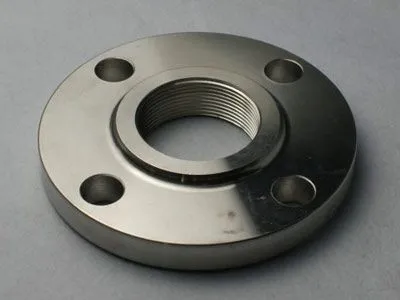
Hey there! As a supplier of Welding Neck Flanges, I know firsthand that these components are crucial in many industrial systems. But let's face it, they can sometimes act up. That's why today, I'm going to share with you some tips on how to troubleshoot problems with Welding Neck Flanges.
Understanding Welding Neck Flanges
First off, let's quickly go over what Welding Neck Flanges are. These flanges have a long tapered hub that provides increased strength and durability. They're commonly used in high-pressure and high-temperature applications, like oil and gas pipelines and chemical processing plants. If you want to know more about them, check out our Welding Neck Flange page.
Common Problems and How to Fix Them
1. Leakage
Leakage is one of the most common issues with Welding Neck Flanges. It can be caused by several factors, such as improper installation, damaged gaskets, or corrosion.
- Improper Installation: If the flange isn't installed correctly, it won't seal properly. Make sure the flange is aligned properly with the pipe and that all the bolts are tightened evenly. If you're unsure how to install it correctly, refer to the manufacturer's instructions or consult with a professional.
- Damaged Gaskets: Gaskets are used to create a seal between the flange and the pipe. Over time, they can wear out or get damaged. If you notice leakage around the flange, check the gasket. If it's damaged, replace it with a new one. Make sure to choose a gasket that's compatible with the flange and the fluid or gas being transported.
- Corrosion: Corrosion can weaken the flange and cause leakage. If you suspect corrosion, inspect the flange for signs of rust or pitting. If the corrosion is minor, you can try cleaning the flange and applying a corrosion-resistant coating. However, if the corrosion is severe, you may need to replace the flange.
2. Cracking
Cracking can occur in Welding Neck Flanges due to excessive stress, fatigue, or improper welding.

- Excessive Stress: If the flange is subjected to excessive stress, it can crack. This can happen if the pipeline experiences high pressure or temperature fluctuations. To prevent cracking due to excessive stress, make sure the flange is rated for the specific application. If the stress is too high, you may need to consider using a thicker or stronger flange.
- Fatigue: Fatigue cracking can occur over time due to repeated loading and unloading of the flange. This is common in applications where the pipeline is subjected to vibration or cyclic pressure changes. To prevent fatigue cracking, make sure the flange is properly supported and that the pipeline is designed to minimize vibration.
- Improper Welding: If the flange is not welded correctly, it can develop cracks. Make sure the welding is done by a qualified welder using the correct welding technique and materials. If you suspect improper welding, inspect the weld for signs of cracks or porosity. If necessary, have the weld repaired or redone.
3. Bolt Loosening
Bolt loosening can cause the flange to leak or even fail. It can be caused by vibration, thermal expansion and contraction, or improper tightening.
- Vibration: Vibration can cause the bolts to loosen over time. To prevent this, make sure the pipeline is properly supported and that the flange is installed with vibration-damping materials, such as rubber gaskets or washers.
- Thermal Expansion and Contraction: When the pipeline is heated or cooled, it can expand or contract. This can cause the bolts to loosen if they're not tightened properly. To prevent this, make sure the bolts are tightened to the correct torque specification and that the flange is installed with a proper allowance for thermal expansion and contraction.
- Improper Tightening: If the bolts are not tightened evenly or to the correct torque specification, they can loosen over time. Make sure to use a torque wrench when tightening the bolts and follow the manufacturer's recommended torque values.
Other Types of Flanges to Consider
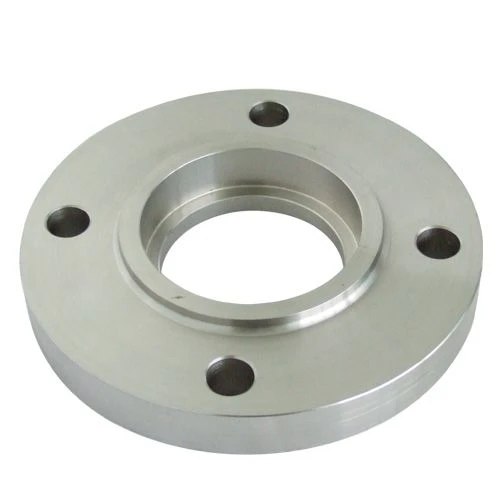
While Welding Neck Flanges are great for many applications, there are other types of flanges that you might want to consider depending on your specific needs. For example, Carbon Steel Plate Flange is a cost-effective option for low-pressure applications. And Socket Welding Flange is a good choice for small-diameter pipes.
Conclusion
Troubleshooting problems with Welding Neck Flanges can be a bit of a challenge, but with the right knowledge and tools, you can usually fix the issue quickly and easily. Remember to always follow the manufacturer's instructions and safety guidelines when working with flanges.
If you're in the market for Welding Neck Flanges or other types of flanges, don't hesitate to reach out to us. We're here to help you find the right products for your needs and provide you with the best possible service. Whether you have questions about installation, troubleshooting, or just need some advice on which flange is right for your application, we're happy to assist you.
References
- "Piping Handbook" by Mohinder L. Nayyar
- "Flange Design and Engineering Handbook" by Robert J. Roark