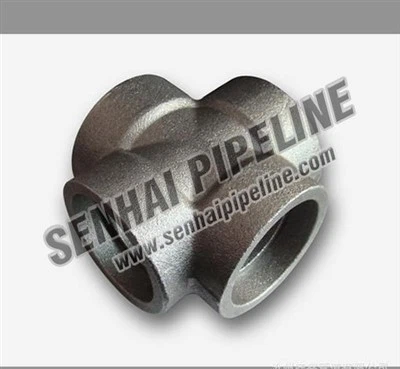
Proper storage of blind flanges is crucial for maintaining their quality and performance. As a dedicated blind flange supplier, I understand the significance of this aspect and am eager to share valuable insights on how to store these essential components effectively.
Understanding Blind Flanges
Before delving into storage methods, it's essential to have a clear understanding of blind flanges. Blind flanges are used to seal the end of a pipe, valve, or vessel, preventing the flow of fluids or gases. They come in various materials, sizes, and pressure ratings, each designed to meet specific industrial requirements. Common materials include carbon steel, stainless steel, and alloy steel, with carbon steel being a popular choice due to its affordability and durability. You can explore a wide range of carbon steel options in our Carbon Steel Plate Flange collection.
Factors Affecting Blind Flange Storage
Several factors can impact the storage of blind flanges, and it's vital to consider them to ensure the long - term integrity of the products.
Environmental Conditions
- Humidity: High humidity levels can lead to corrosion, especially for carbon steel blind flanges. Moisture in the air reacts with the metal surface, forming rust that can compromise the flange's strength and sealing ability. To combat this, storage areas should be kept dry, with humidity levels ideally maintained below 60%.
- Temperature: Extreme temperatures can cause thermal expansion and contraction of the flanges. This can lead to warping or cracking, especially if the flanges are stored in an environment with significant temperature fluctuations. It's advisable to store blind flanges in a temperature - controlled environment, ideally between 10°C and 30°C.
- Chemical Exposure: Exposure to chemicals, such as acids, alkalis, or solvents, can damage the surface of the blind flanges. These chemicals can corrode the metal, weaken the structure, and reduce the flange's lifespan. Storage areas should be free from chemical spills and fumes.
Physical Damage
- Impact and Abrasion: Blind flanges can be easily damaged by impacts or abrasions during storage. Dropping or stacking heavy objects on top of the flanges can cause dents, scratches, or cracks. To prevent this, flanges should be stored in a way that protects them from physical contact with other objects.
- Vibration: Continuous vibration can loosen the bolts and gaskets of the flanges and may also cause fatigue damage over time. Storage areas should be located away from sources of vibration, such as heavy machinery or traffic.
Storage Solutions
Indoor Storage
- Racking Systems: Using racking systems is an effective way to store blind flanges indoors. Racks can be designed to hold flanges of different sizes and weights, keeping them organized and easily accessible. Flanges should be placed on the racks in a way that prevents them from rolling or falling. For example, larger flanges can be placed on the lower levels of the rack, while smaller ones can be stored on the upper levels.
- Pallets: Pallets are another popular option for indoor storage. Flanges can be stacked on pallets, and the pallets can be moved around using forklifts. However, it's important to ensure that the pallets are in good condition and can support the weight of the flanges. To prevent corrosion, pallets should be made of non - corrosive materials, such as plastic or treated wood.
- Storage Cabinets: For smaller blind flanges or those with special requirements, storage cabinets can be used. Cabinets can provide a more controlled environment, protecting the flanges from dust, moisture, and physical damage. They can also be locked to prevent unauthorized access.
Outdoor Storage
- Covered Shelters: If indoor storage space is limited, blind flanges can be stored outdoors in covered shelters. Shelters should be waterproof and provide protection from the sun, wind, and rain. The flanges should be placed on raised platforms to prevent contact with the ground, which can be a source of moisture.
- Tarps: Tarps can be used to cover the flanges when they are stored outdoors. However, tarps should be properly secured to prevent them from being blown away by the wind. It's also important to check the tarps regularly for any signs of damage or leaks.
Pre - storage Preparation
Before storing blind flanges, it's essential to perform some pre - storage preparation steps to ensure their long - term quality.


Cleaning
- Removing Dirt and Debris: Flanges should be thoroughly cleaned to remove any dirt, debris, or contaminants from the surface. This can be done using a wire brush, a pressure washer, or a suitable cleaning solution. After cleaning, the flanges should be dried completely to prevent rust formation.
- Degreasing: If the flanges have been coated with grease or oil for protection during transportation, they should be degreased before storage. Degreasing can be done using a degreasing agent and a clean cloth.
Coating
- Anti - Corrosion Coating: Applying an anti - corrosion coating to the flanges can provide an additional layer of protection against rust and corrosion. There are various types of anti - corrosion coatings available, such as paint, epoxy, or zinc coating. The choice of coating depends on the material of the flange and the storage environment.
- Protective Film: For flanges with a smooth surface finish, a protective film can be applied to prevent scratches and abrasions. The film can be easily removed when the flanges are ready to be used.
Identification
- Marking: Each blind flange should be marked with relevant information, such as the size, material, pressure rating, and batch number. This information can be marked using a permanent marker, a stencil, or a laser engraving machine. Marking the flanges makes it easier to identify and locate them during storage and retrieval.
- Labeling: In addition to marking, flanges can also be labeled with detailed information, including the storage location, date of storage, and any special handling instructions. Labels can be attached to the flanges using adhesive or a cable tie.
Monitoring and Inspection
Regular monitoring and inspection of the stored blind flanges are essential to detect any signs of damage or deterioration early.
Visual Inspection
- Checking for Corrosion: Visual inspection should be carried out regularly to check for any signs of corrosion on the flanges. Corrosion can appear as rust spots, discoloration, or pitting on the surface. If corrosion is detected, the affected flanges should be treated immediately to prevent further damage.
- Inspecting for Physical Damage: The flanges should also be inspected for any signs of physical damage, such as dents, scratches, or cracks. Physical damage can affect the flange's performance and should be repaired or replaced as necessary.
Documentation
- Recording Inspection Results: All inspection results should be recorded in a logbook or a digital database. This includes the date of inspection, the condition of the flanges, and any actions taken. Documentation helps to track the history of the flanges and provides valuable information for future reference.
Conclusion
Proper storage of blind flanges is essential for maintaining their quality and performance. By considering the environmental conditions, physical damage factors, and implementing appropriate storage solutions, pre - storage preparation, and monitoring and inspection procedures, you can ensure that your blind flanges remain in excellent condition for an extended period.
As a reliable blind flange supplier, we are committed to providing high - quality products and comprehensive support to our customers. If you have any questions about blind flange storage or are interested in purchasing our products, please feel free to contact us for further discussion and procurement negotiation. We look forward to serving you and meeting your industrial needs.
References
- ASME B16.5: Pipe Flanges and Flanged Fittings
- ASTM A105: Standard Specification for Carbon Steel Forgings for Piping Applications
- NACE International: Corrosion Prevention and Control Standards