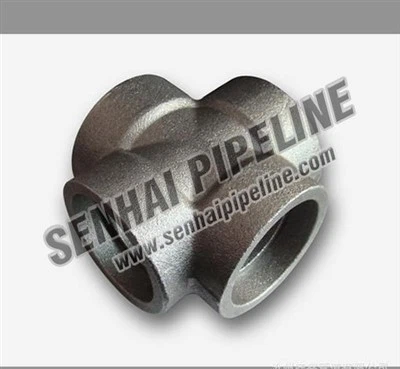
Hey there! I'm a supplier of Forged Lateral Tees, and today I wanna share some tips on how to maintain these nifty pipe fittings. Forged Lateral Tees are super useful in various piping systems, allowing for smooth flow changes and connections. If you're interested in Forged Lateral Tee, keep reading!
Understanding Forged Lateral Tees
First off, let's get a quick understanding of what Forged Lateral Tees are. They're forged from high - quality materials, which gives them great strength and durability. These tees are used to branch off a main pipeline at a 90 - degree angle, making them essential in many industrial and commercial piping setups.
Inspection
Regular inspection is key to maintaining your Forged Lateral Tees. You should visually check them for any signs of damage, such as cracks, dents, or corrosion. Cracks can lead to leaks and even system failures, so it's important to catch them early. Dents might not seem like a big deal at first, but they can affect the flow of the fluid or gas inside the pipe. And corrosion, well, that can eat away at the material over time, weakening the tee.
Inspect the welds if your Forged Lateral Tee is welded in place. Look for any signs of weld defects like porosity, lack of fusion, or cracks in the weld area. These issues can compromise the integrity of the connection and lead to problems down the line.
Cleaning
Keeping your Forged Lateral Tees clean is also crucial. Depending on what's flowing through the pipes, there could be build - up of debris, sediment, or even chemical deposits. You can use appropriate cleaning agents based on the type of deposit. For example, if it's a mineral deposit, a mild acid solution might do the trick. But make sure to follow all safety precautions when using chemicals.
If the tee is in a dirty or dusty environment, you can use a dry cloth or a soft brush to remove any surface dirt. This simple step can prevent the dirt from getting into the pipe and causing blockages or abrasion.
Lubrication
In some cases, especially if your Forged Lateral Tee has moving parts or threaded connections, lubrication can be beneficial. A good lubricant can prevent corrosion, reduce friction, and make it easier to disassemble and reassemble the fitting when needed. Just make sure to use a lubricant that's compatible with the material of the tee and the fluid or gas flowing through the system.


Pressure and Temperature Monitoring
Forged Lateral Tees are designed to operate within certain pressure and temperature ranges. Exceeding these limits can cause damage to the tee. So, it's important to monitor the pressure and temperature of the system regularly. You can use pressure gauges and temperature sensors to keep track of these parameters.
If you notice that the pressure or temperature is consistently outside the recommended range, you need to take action. It could be due to a problem with the system, like a blockage or a malfunctioning valve. Fixing these issues promptly can prevent damage to the Forged Lateral Tee.
Comparison with Other Fittings
It's also interesting to compare Forged Lateral Tees with other similar fittings, like Bw Olets and Carbon Steel Threaded Elbow. Bw Olets are used for making branch connections, but they have a different design compared to Forged Lateral Tees. They're often used when a smaller branch connection is needed. Carbon Steel Threaded Elbows, on the other hand, are used to change the direction of the pipe at a 90 - degree angle. Each fitting has its own unique features and applications, but the principles of maintenance are somewhat similar in terms of inspection, cleaning, and monitoring.
Storage
If you have spare Forged Lateral Tees that are not in use, proper storage is important. Store them in a dry, clean place to prevent corrosion. You can cover them with a protective coating or wrap them in a plastic sheet to keep them safe from dust and moisture.
Troubleshooting
Even with proper maintenance, you might encounter some issues with your Forged Lateral Tees. If you notice a leak, the first thing to do is to shut off the flow of the fluid or gas in the system. Then, check the connection points for any loose fittings or damaged gaskets. Tighten the fittings if they're loose, or replace the gaskets if they're worn out.
If the leak is coming from a crack in the tee itself, it might be necessary to replace the tee. Don't try to patch a cracked tee, as it won't provide a long - term solution.
Conclusion
Maintaining your Forged Lateral Tees is not that difficult if you follow these simple steps. Regular inspection, cleaning, lubrication, and monitoring of pressure and temperature can go a long way in ensuring the longevity and proper functioning of these fittings.
If you're in the market for high - quality Forged Lateral Tees or have any questions about their maintenance, feel free to reach out. I'm here to help you with all your piping fitting needs. Let's get your piping system running smoothly!
References
- General knowledge on pipe fittings and their maintenance from years of experience in the industry.
- Manufacturer's guidelines for Forged Lateral Tees.