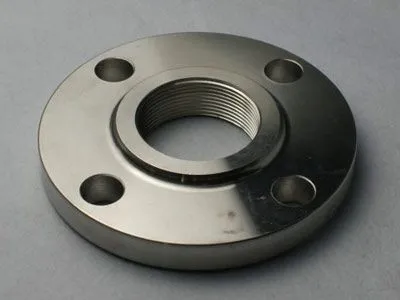
Hey there! As a supplier of Lap Joint Flanges, I often get asked about how to ensure these flanges meet the standards. Well, let me break it down for you in a way that's easy to understand.
First off, what are Lap Joint Flanges? They're pretty handy in situations where frequent dismantling is needed. They consist of a loose flange and a lap joint stub end. The loose flange can rotate around the stub end, which makes alignment during installation a whole lot easier.
Material Selection
The quality of the material used in a Lap Joint Flange is crucial. We always start by carefully choosing the right materials. For most general applications, carbon steel is a popular choice. It's strong, durable, and cost - effective. But for more corrosive environments, stainless steel might be the way to go. It offers better resistance to rust and corrosion, which is super important if the flange is going to be exposed to harsh chemicals or outdoor elements.
When we select materials, we make sure they meet the relevant industry standards. For example, ASTM (American Society for Testing and Materials) has a whole bunch of standards for different types of steel. We check that the chemical composition and mechanical properties of the material match these standards. This includes things like the percentage of carbon, manganese, and other elements in the steel, as well as its tensile strength and hardness.
Manufacturing Process
The manufacturing process is another key factor in ensuring the flange meets the standards. We use advanced machining techniques to produce Lap Joint Flanges with high precision.
Cutting is the first step. We use state - of - the - art cutting equipment to cut the raw material into the right shape and size. After cutting, the pieces go through a series of machining operations, such as turning, milling, and drilling. These operations are carried out with great care to ensure that the dimensions of the flange are accurate.
For instance, the bore size of the flange needs to be within a very tight tolerance. If it's too big or too small, it won't fit properly with the pipes or other components it's supposed to connect. The face of the flange also needs to be flat and smooth. Any irregularities can lead to leaks when the flange is installed.
We also pay close attention to the surface finish of the flange. A good surface finish not only looks better but also helps prevent corrosion. We use special treatments to improve the surface quality, such as shot blasting or painting.
Testing and Inspection
Once the Lap Joint Flanges are manufactured, they go through a rigorous testing and inspection process. We start with visual inspection. This is a simple but important step. We look for any obvious defects, like cracks, porosity, or uneven surfaces. If we find any issues at this stage, the flange is either repaired or rejected.
Next, we do dimensional inspection. We use precision measuring tools, like calipers and micrometers, to check that all the dimensions of the flange match the design specifications. This includes the outer diameter, inner diameter, thickness, and bolt hole spacing.
Pressure testing is also a must. We subject the flanges to a certain amount of pressure to make sure they can withstand the operating conditions. This helps us detect any leaks or weaknesses in the flange. There are different types of pressure tests, such as hydrostatic testing (using water) and pneumatic testing (using air).
In addition to these tests, we also conduct non - destructive testing (NDT). This includes methods like ultrasonic testing, magnetic particle testing, and dye penetrant testing. These methods allow us to detect internal defects that might not be visible to the naked eye.
Compliance with Industry Standards
There are several industry standards that Lap Joint Flanges need to comply with. One of the most well - known standards is ASME (American Society of Mechanical Engineers) B16.5. This standard covers the dimensions, tolerances, and materials for pipe flanges and flanged fittings.
We make sure that all our Lap Joint Flanges are designed and manufactured in accordance with these standards. This not only ensures the quality of the product but also makes it easier for our customers to use the flanges in their projects. When our customers know that the flanges meet the industry standards, they can have more confidence in the performance and reliability of the product.
Comparing with Other Flanges
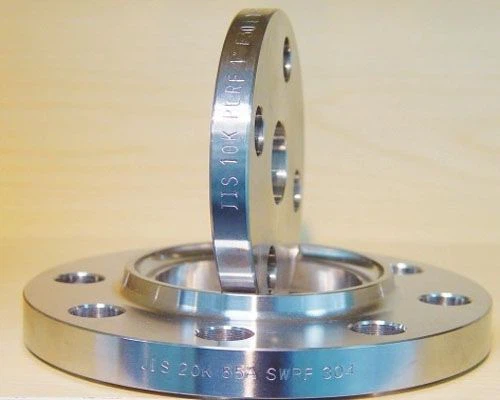
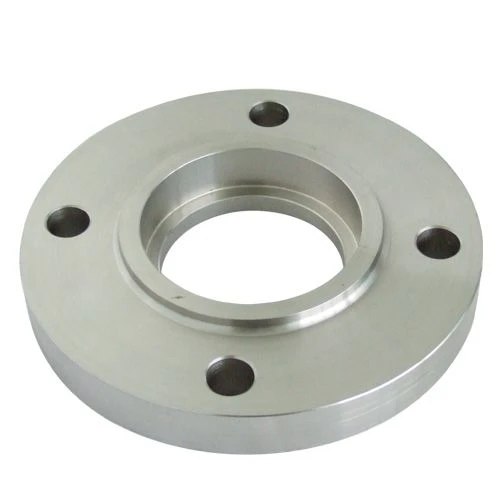
It's also worth comparing Lap Joint Flanges with other types of flanges, like Blind Flange, Socket Welding Flange, and Long Welding Neck Flange.
Blind Flanges are used to close the end of a pipe. They don't have a center opening, unlike Lap Joint Flanges. Socket Welding Flanges are welded to the pipe using a socket - type joint. They're often used in small - diameter piping systems. Long Welding Neck Flanges have a long neck that provides additional strength and is suitable for high - pressure applications.
Each type of flange has its own advantages and disadvantages, depending on the specific application. But when it comes to situations where easy disassembly is required, Lap Joint Flanges are a great choice.
Customer Requirements
We also take into account the specific requirements of our customers. Some customers might need Lap Joint Flanges with special dimensions or materials. For example, a customer in a food processing industry might require flanges made of food - grade stainless steel.
We work closely with our customers to understand their needs and then customize the flanges accordingly. This might involve making some adjustments to the manufacturing process or using different materials.
Conclusion
Ensuring that a Lap Joint Flange meets the standards is a multi - step process that involves careful material selection, precise manufacturing, thorough testing, and compliance with industry standards. As a supplier, we're committed to providing high - quality Lap Joint Flanges that meet the needs of our customers.
If you're in the market for Lap Joint Flanges or have any questions about our products, don't hesitate to get in touch. We're here to help you with your procurement needs and ensure that you get the best - quality flanges for your projects.
References
- ASME B16.5 Standard for Pipe Flanges and Flanged Fittings
- ASTM Standards for Steel Materials