Hey there! As a supplier of Lap Joint Flanges, I've seen firsthand how crucial it is to ensure a tight connection between these flanges and pipes. A loose or improper connection can lead to leaks, which can be a real headache in industrial settings. So, in this blog, I'm gonna share some tips on how to make sure you get that tight connection every time.
Understanding Lap Joint Flanges
First off, let's talk a bit about Lap Joint Flanges. These flanges are unique because they consist of two parts: a stub end and a backing flange. The stub end is welded to the pipe, and the backing flange can freely rotate around it. This design allows for easy alignment during installation, which is a big plus. You can check out more about Lap Joint Flanges on our website Lap Joint Flange.
Preparation is Key
Before you even start the installation process, proper preparation is essential. The first step is to clean the pipe ends and the flange surfaces thoroughly. Any dirt, rust, or debris can prevent a proper seal. You can use a wire brush or a solvent to clean the surfaces. Make sure to remove all the contaminants and leave the surfaces smooth and clean.
Next, you need to check the dimensions of the pipe and the flange. The pipe should fit snugly into the stub end of the Lap Joint Flange. Measure the outer diameter of the pipe and compare it with the inner diameter of the stub end. If there's a significant difference, it could lead to a loose connection. Also, check the thickness of the pipe wall to ensure it's compatible with the flange.
Welding the Stub End
Once you've prepared the pipe and the flange, it's time to weld the stub end to the pipe. Welding is a critical step in ensuring a tight connection. You need to use the right welding technique and filler material. For most applications, a TIG (Tungsten Inert Gas) or MIG (Metal Inert Gas) welding process is recommended.
Before you start welding, make sure the pipe and the stub end are properly aligned. You can use a clamp or a fixture to hold them in place. The welding should be done in a clean and well-ventilated area. Follow the welding procedure carefully, and make sure to apply the right amount of heat and filler material. After welding, let the joint cool down slowly to avoid any cracking or distortion.


Installing the Backing Flange
After the stub end is welded to the pipe, it's time to install the backing flange. Slide the backing flange over the stub end and align the bolt holes. Make sure the flange is centered on the stub end and there's no misalignment. You can use a flange alignment tool to help with this process.
Once the flange is aligned, insert the bolts through the bolt holes. Use the right size and type of bolts for the application. The bolts should be tightened evenly to ensure a uniform pressure distribution. You can use a torque wrench to tighten the bolts to the recommended torque value. Over-tightening the bolts can damage the flange or the pipe, while under-tightening can lead to a leak.
Using Gaskets
Gaskets play a crucial role in ensuring a tight seal between the Lap Joint Flange and the pipe. A good gasket can prevent leaks and improve the overall performance of the connection. There are different types of gaskets available, such as rubber gaskets, metal gaskets, and composite gaskets.
When choosing a gasket, consider the operating conditions, such as temperature, pressure, and the type of fluid or gas being transported. For high-pressure applications, a metal gasket may be more suitable, while for low-pressure applications, a rubber gasket may be sufficient. Make sure to install the gasket correctly and follow the manufacturer's instructions.
Regular Inspection and Maintenance
Even after you've installed the Lap Joint Flange and ensured a tight connection, it's important to conduct regular inspections and maintenance. Check the connection periodically for any signs of leaks, corrosion, or damage. Look for any loose bolts or gaskets that may need to be tightened or replaced.
If you notice any problems, address them immediately. A small leak or a loose bolt can quickly turn into a major issue if left untreated. Regular maintenance can help extend the lifespan of the connection and prevent costly repairs.
Other Types of Flanges
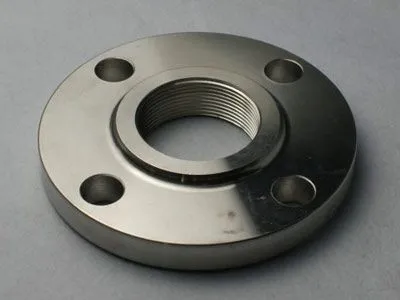
In addition to Lap Joint Flanges, we also offer other types of flanges, such as Blind Flange and Carbon Steel Threaded Flange. These flanges have different applications and features, and you can choose the one that best suits your needs.
Conclusion
Ensuring a tight connection between a Lap Joint Flange and pipes is essential for the safe and efficient operation of industrial systems. By following the tips and techniques outlined in this blog, you can achieve a reliable and leak-free connection. Remember to prepare the surfaces properly, use the right welding technique, install the backing flange correctly, and use the appropriate gaskets. And don't forget to conduct regular inspections and maintenance to keep the connection in good condition.
If you're interested in purchasing Lap Joint Flanges or other types of flanges, feel free to contact us for more information. We're here to help you find the right products for your application and ensure a successful installation.
References
- ASME B16.5 - Pipe Flanges and Flanged Fittings
- API 6A - Specification for Wellhead and Christmas Tree Equipment
- ISO 7005 - Metallic Flanges for Pipes, Valves, Fittings and Accessories