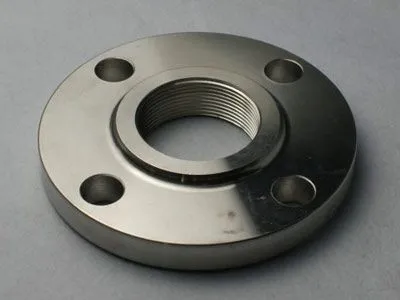
A slip-on flange is a widely used component in piping systems, offering a practical and efficient solution for connecting pipes, valves, pumps, and other equipment. As a trusted supplier of Slip On Flange, I am excited to share in-depth knowledge about how these flanges work and their significance in various industries.
Structure and Design of Slip On Flanges
Slip-on flanges are characterized by their simple yet effective design. They consist of a flat, circular plate with a central hole that is slightly larger than the outer diameter of the pipe it is intended to connect. This design allows the flange to "slip on" over the end of the pipe, hence the name. The flange typically has a series of bolt holes around its perimeter, which are used to secure it to another flange or to a mating surface using bolts and nuts.
The flat face of the slip-on flange provides a smooth surface for sealing against another flange or a gasket. This ensures a tight and leak-free connection, which is crucial in applications where fluid or gas containment is essential. The thickness of the flange and the size and number of bolt holes are determined by the pressure and temperature requirements of the piping system, as well as the size of the pipe.
Installation Process
The installation of a slip-on flange is relatively straightforward compared to other types of flanges. Here is a step-by-step guide on how to install a slip-on flange:
- Prepare the Pipe: The end of the pipe should be clean, free of any debris, and cut square to ensure a proper fit with the flange. The outer diameter of the pipe should be within the specified tolerance range for the flange.
- Slip on the Flange: Slide the slip-on flange over the end of the pipe until it is flush with the end of the pipe. Make sure the flange is centered on the pipe and that the bolt holes are aligned properly.
- Weld the Flange: Once the flange is in place, it is welded to the pipe. There are two types of welds commonly used for slip-on flanges: a fillet weld around the outside of the flange and a fillet weld on the inside of the flange. The outside weld provides additional strength and stability to the connection, while the inside weld helps to prevent leakage.
- Install the Gasket: A gasket is placed between the two flanges to create a seal. The gasket material should be selected based on the type of fluid or gas being transported, as well as the pressure and temperature of the system.
- Align the Flanges: The two flanges are aligned so that the bolt holes match up. This can be done using alignment pins or by carefully positioning the flanges.
- Insert the Bolts: Bolts are inserted through the bolt holes and tightened using a torque wrench to the specified torque value. This ensures that the flanges are securely fastened together and that the gasket is compressed evenly.
How Slip On Flanges Work in a Piping System
Once installed, slip-on flanges play a crucial role in the operation of a piping system. They provide a secure and leak-free connection between pipes, valves, and other components, allowing for the smooth flow of fluids or gases.


When the system is pressurized, the pressure acts on the flanges and the gasket, creating a force that compresses the gasket between the two flanges. This compression helps to seal the joint and prevent leakage. The bolts and nuts hold the flanges together, counteracting the force exerted by the pressure inside the pipe.
In addition to providing a seal, slip-on flanges also allow for easy disassembly and maintenance of the piping system. If a valve or other component needs to be replaced, the bolts can be removed, and the flanges can be separated without having to cut the pipe. This reduces downtime and maintenance costs.
Applications of Slip On Flanges
Slip-on flanges are used in a wide range of industries and applications, including:
- Oil and Gas Industry: In the oil and gas industry, slip-on flanges are used in pipelines, refineries, and offshore platforms. They are used to connect pipes, valves, and pumps, and are designed to withstand high pressures and temperatures.
- Chemical Industry: The chemical industry uses slip-on flanges in the transportation of various chemicals. The flanges are made from materials that are resistant to corrosion and chemical attack, ensuring the safety and reliability of the piping system.
- Water Treatment Plants: Slip-on flanges are used in water treatment plants to connect pipes, valves, and pumps. They are designed to prevent leakage and ensure the efficient operation of the water treatment process.
- Power Generation Plants: In power generation plants, slip-on flanges are used in the steam and water piping systems. They are designed to withstand high temperatures and pressures, and are essential for the safe and reliable operation of the power plant.
Advantages of Slip On Flanges
There are several advantages to using slip-on flanges in a piping system:
- Easy Installation: As mentioned earlier, the installation of slip-on flanges is relatively simple and can be done quickly, reducing installation time and costs.
- Cost-Effective: Slip-on flanges are generally less expensive than other types of flanges, making them a cost-effective solution for many applications.
- Versatility: Slip-on flanges can be used with a variety of pipe materials, including steel, stainless steel, and plastic. They are also available in a wide range of sizes and pressure ratings, making them suitable for a variety of applications.
- Good Sealing Performance: The flat face of the slip-on flange provides a good sealing surface, and when used with a proper gasket, it can provide a tight and leak-free connection.
Compatibility with Other Piping Components
Slip-on flanges are designed to be compatible with other piping components, such as Large Size Spiral Welded Pipe and ERW Pipes. They can be easily connected to these pipes using the appropriate welding techniques and gaskets.
When selecting a slip-on flange for use with a specific type of pipe, it is important to ensure that the flange is compatible with the pipe material, size, and pressure rating. This will ensure a proper fit and a reliable connection.
Conclusion
Slip-on flanges are an essential component in many piping systems, offering a simple, cost-effective, and reliable solution for connecting pipes and other components. Their easy installation, good sealing performance, and compatibility with other piping components make them a popular choice in a wide range of industries.
If you are in need of high-quality slip-on flanges for your piping system, we are here to help. Our team of experts can assist you in selecting the right flange for your application, ensuring that it meets your specific requirements. Contact us today to discuss your needs and to start a procurement negotiation. We look forward to working with you to provide the best piping solutions for your project.
References
- "Piping Handbook" by George B. Wilkes
- "ASME B16.5 Standard for Pipe Flanges and Flanged Fittings"
- "API 6A Specification for Wellhead and Christmas Tree Equipment"