Hey there, fellow industry peeps! I'm a supplier to unions, and over the years, I've learned a thing or two about how these bad boys are organized on an international scale. So, let's dive right in and break it down.
The Basics of Union Organization
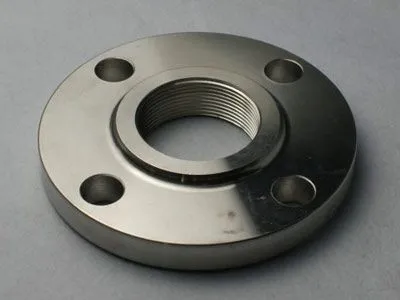
First off, what exactly is a union in the context of our industry? Well, it's a device used to connect pipes, allowing for easy disconnection and reconnection for maintenance or changes. These little wonders come in all shapes and sizes, and they're crucial for a whole bunch of industries, from oil and gas to plumbing.
Internationally, union organization starts with the standardization of products. Different countries have their own standards, but there are also some international standards that many follow. For example, the American National Standards Institute (ANSI) and the International Organization for Standardization (ISO) play huge roles in setting the rules for the dimensions, materials, and performance of unions.


Manufacturers around the world need to adhere to these standards to ensure their products can be used globally. This standardization helps in everything from quality control to compatibility. It means that a union made in China can be used in a project in the United States without any issues, as long as it meets the relevant standards.
Supply Chain and Distribution
As a supplier, I'm right in the middle of the supply chain. It all starts with the raw materials. For unions, common materials include carbon steel, stainless steel, and brass. These materials are sourced from different parts of the world. For instance, some of the best - quality steel might come from countries like Japan or South Korea, known for their advanced steel - making technologies.
Once the raw materials are obtained, manufacturers use them to produce unions. The manufacturing process involves a variety of steps, such as forging, machining, and threading. High - tech machinery and skilled workers are required to ensure the unions are made to the highest quality.
After production, the unions are then distributed to different parts of the world. There are various channels for this. Some manufacturers sell directly to large - scale projects or end - users. Others work through distributors and wholesalers. These middlemen play a crucial role in getting the products to the right places. They have established networks and relationships with local customers, which helps in reaching a wider market.
International Trade and Regulations
International trade is a big part of the union business. When it comes to exporting and importing unions, there are a lot of rules and regulations to follow. Tariffs, customs duties, and trade agreements all come into play.
For example, free trade agreements between countries can make it easier and cheaper to trade unions. These agreements often reduce or eliminate tariffs, which means suppliers can offer more competitive prices. On the flip side, if a country has high import tariffs, it can make it difficult for foreign suppliers to enter the market.
There are also regulations regarding product safety and environmental impact. Unions need to meet certain safety standards to be sold in different countries. For example, in the European Union, products need to comply with the CE marking requirements, which indicate that they meet health, safety, and environmental protection standards.
The Role of Technology in Union Organization
Technology has revolutionized the way unions are organized internationally. With the internet, it's easier than ever for suppliers to connect with customers around the world. Online marketplaces and e - commerce platforms allow us to showcase our products to a global audience.
We can also use technology to improve our manufacturing processes. For example, computer - aided design (CAD) and computer - numerical - control (CNC) machining have made it possible to produce unions with high precision and efficiency. This means better - quality products at a lower cost.
In addition, technology has improved communication and logistics. We can track shipments in real - time, which helps in ensuring timely delivery. And with video conferencing, it's easy to have meetings with customers and partners from different countries without having to travel.
Some of Our Popular Products
As a supplier, I want to mention some of the popular union - related products that we offer. One of them is Bw Olets. These are great for creating branch connections in pipelines. They're made with high - quality materials and are designed to meet international standards.
Another product is Carbon Steel Nipples. These are short pieces of pipe that are used to connect two other pipes. Carbon steel is a popular choice because of its strength and durability.
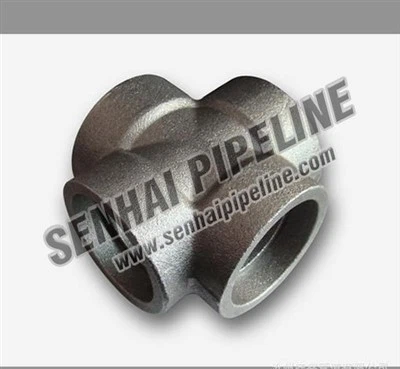
And we also have Carbon Steel Forged Cross. This is a fitting that has four openings, allowing for multiple pipe connections. It's commonly used in complex pipeline systems.
Connecting with Customers
If you're in the market for unions or any of the products I've mentioned, I'd love to have a chat with you. Whether you're a small - scale contractor or a large - scale industrial project, we can provide the right solutions for you. We pride ourselves on our quality products, competitive prices, and excellent customer service.
Don't hesitate to reach out to us if you have any questions about our products, pricing, or delivery. We're here to make your procurement process as smooth as possible.
References
- American National Standards Institute (ANSI). Relevant standards for pipe fittings.
- International Organization for Standardization (ISO). Standards related to industrial pipes and fittings.
- Various industry reports on international trade of pipe fittings.