Can hexagonal caps be used in food - grade applications?
Hey there! I'm a supplier of hexagonal caps, and I often get asked this question: Can hexagonal caps be used in food - grade applications? Well, let's dive right in and explore this topic.
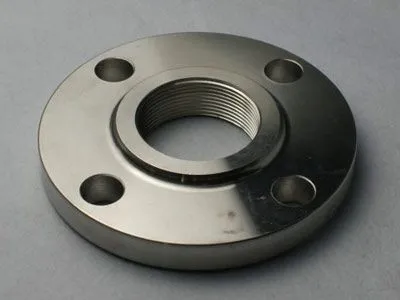
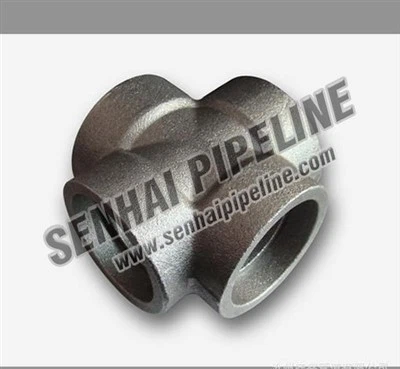
First off, what are hexagonal caps? They're basically caps with a hexagonal shape. They're used in a whole bunch of industries for different purposes. In the world of pipe fittings, for example, they're super handy. You can check out some related products like Carbon Steel Threaded Elbow, Carbon Steel Nipples, and Forged Couplings. These are all important components in various piping systems.
Now, when it comes to food - grade applications, there are some strict requirements. Food - grade means that the materials used are safe to come into contact with food. They shouldn't leach any harmful chemicals or substances that could contaminate the food. This is a big deal because our health depends on it.
The material of the hexagonal cap is a crucial factor. Some common materials for hexagonal caps include metals like stainless steel, brass, and plastics. Stainless steel is often a top choice for food - grade applications. It's resistant to corrosion, which means it won't rust or break down easily when it's exposed to food, water, or cleaning agents. It's also relatively easy to clean and sanitize, which is essential in a food - processing environment.
Brass, on the other hand, has its pros and cons. While it's a strong and durable material, some types of brass may contain lead. Lead is a toxic substance, and if it leaches into the food, it can cause serious health problems. So, if you're considering using brass hexagonal caps in food - grade applications, you need to make sure that the brass is lead - free.
Plastic hexagonal caps can also be used, but again, it depends on the type of plastic. There are food - grade plastics available, which are designed to be safe for food contact. These plastics are often tested and certified to meet the relevant food - safety standards. However, some plastics may not be suitable because they can release chemicals when they're exposed to heat, light, or certain types of food.
Another aspect to consider is the manufacturing process. Even if the material is food - grade, the manufacturing process can still affect the safety of the hexagonal cap. For example, if there are any rough edges or seams on the cap, they can trap food particles and bacteria. This can lead to contamination and spoilage of the food. So, the caps need to be manufactured with precision to ensure a smooth and clean surface.


In addition, the design of the hexagonal cap is important. It should fit properly on the container or pipe it's meant to cover. A loose - fitting cap can allow air, moisture, or contaminants to enter, which can affect the quality and safety of the food. On the other hand, an overly tight - fitting cap can be difficult to remove, which can be a hassle in a food - processing setting.
Let's talk about some real - world examples. In the dairy industry, hexagonal caps are used on milk containers. These caps need to be food - grade to ensure that the milk stays fresh and safe to drink. They also need to be able to withstand the cold temperatures in a refrigerated environment. In the beverage industry, caps are used on bottles of juice, soda, and other drinks. Here, the caps need to be able to seal the bottle tightly to prevent carbonation loss and contamination.
When it comes to regulatory standards, there are several organizations that set the rules for food - grade materials. In the United States, the Food and Drug Administration (FDA) has strict regulations regarding materials that come into contact with food. In Europe, the European Food Safety Authority (EFSA) has similar standards. As a supplier, I make sure that all my hexagonal caps meet these standards when they're intended for food - grade applications.
So, can hexagonal caps be used in food - grade applications? The answer is yes, but with some important considerations. You need to choose the right material, make sure that the manufacturing process is up to scratch, and ensure that the design is suitable for the specific food - grade application.
If you're in the food - processing industry and you're looking for high - quality hexagonal caps for your food - grade applications, I'm here to help. I have a wide range of hexagonal caps made from different materials, all of which can be customized to meet your specific needs. Whether you need a small quantity for a trial run or a large order for your production line, I've got you covered.
Don't hesitate to reach out if you have any questions or if you're interested in discussing a potential purchase. I'm always happy to have a chat and help you find the perfect hexagonal caps for your food - grade needs.
References
- Food and Drug Administration (FDA). (Year). Regulations on food - contact materials.
- European Food Safety Authority (EFSA). (Year). Guidelines for food - grade materials.