Can Cs Rhs Shs be used in water purification?
Hey there! I'm a supplier of Cs Rhs Shs, and I often get asked if these products can be used in water purification. Well, let's dive into this topic and find out.
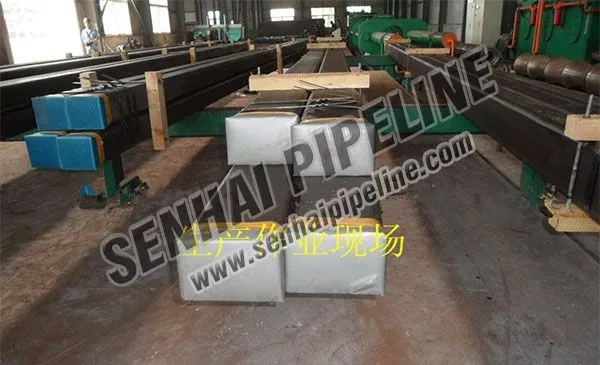
First off, let's clarify what Cs Rhs Shs are. Cs stands for carbon steel, Rhs refers to rectangular hollow sections, and Shs means square hollow sections. These are commonly used in various construction and engineering projects due to their strength, durability, and cost - effectiveness.
The Basics of Water Purification
Before we discuss whether Cs Rhs Shs can be used in water purification, it's important to understand the basic processes involved in water purification. Water purification typically includes steps like filtration, sedimentation, disinfection, and sometimes advanced processes such as reverse osmosis.
Filtration is a key step where impurities and particles are removed from the water. Sedimentation allows heavier particles to settle at the bottom. Disinfection is used to kill harmful microorganisms, and reverse osmosis uses a semi - permeable membrane to remove dissolved salts and other contaminants.

Potential Uses of Cs Rhs Shs in Water Purification
Structural Components
One of the main ways Cs Rhs Shs can be used in water purification is as structural components. For example, in large - scale water treatment plants, they can be used to build the frames and supports for filtration units, sedimentation tanks, and other equipment. The strength of carbon steel makes it suitable for withstanding the weight and pressure of these large structures.
Let's say you're building a sedimentation tank. You can use RHS SHS Carbon Steel to construct the framework that holds the tank in place. This framework needs to be sturdy enough to support the weight of the water and any sediment that accumulates over time.
Piping Systems
Cs Rhs Shs can also be used in piping systems for water purification. They can be used to transport water between different treatment stages. For instance, water may need to be moved from a sedimentation tank to a filtration unit. Carbon steel pipes made from Cs Rhs Shs can handle the flow of water and are relatively resistant to corrosion when properly coated.
However, it's important to note that the water being transported should be compatible with carbon steel. If the water has a high level of acidity or contains certain chemicals, it may cause corrosion over time. In such cases, additional protective coatings or linings may be required.
Support for Filtration Media
In filtration units, Cs Rhs Shs can be used to support the filtration media. Filtration media, such as sand or activated carbon, need a stable structure to rest on. A framework made of Cs Rhs Shs can provide this support. This ensures that the filtration media remains in place and allows for efficient water flow through the media.
Advantages of Using Cs Rhs Shs in Water Purification
Strength and Durability
As mentioned earlier, carbon steel is known for its strength and durability. Cs Rhs Shs can withstand heavy loads and harsh environmental conditions. This is crucial in water purification plants where the equipment needs to operate continuously for long periods.
Cost - Effectiveness
Compared to some other materials, carbon steel is relatively inexpensive. This makes Cs Rhs Shs a cost - effective option for large - scale water purification projects. You can get a lot of structural support and piping for a reasonable price, which is important for keeping the overall project costs down.
Availability
Carbon steel is widely available in the market. As a supplier, I can easily source and provide Cs Rhs Shs in various sizes and specifications. This means that if you're working on a water purification project, you can quickly get the materials you need without long lead times.
Challenges and Considerations
Corrosion
One of the main challenges of using Cs Rhs Shs in water purification is corrosion. If the water contains oxygen, certain salts, or other corrosive substances, it can cause the carbon steel to rust over time. To address this issue, proper corrosion protection measures need to be taken.
This can include applying protective coatings, such as epoxy coatings, or using cathodic protection systems. Regular inspection and maintenance are also necessary to detect and address any signs of corrosion early on.
Compatibility with Water Quality
The quality of the water being treated is also an important consideration. If the water has a high level of contaminants or is highly acidic, it may react with the carbon steel and cause problems. In some cases, it may be necessary to pre - treat the water to reduce its corrosiveness before it comes into contact with the Cs Rhs Shs.
Conclusion
In conclusion, Cs Rhs Shs can definitely be used in water purification. They have several potential applications, including as structural components, in piping systems, and for supporting filtration media. Their strength, durability, and cost - effectiveness make them a viable option for many water purification projects.
However, it's important to be aware of the challenges, such as corrosion and water compatibility. By taking proper precautions and implementing appropriate maintenance measures, you can ensure that Cs Rhs Shs perform well in water purification applications.
If you're interested in using Shs Rhs Smls Or Welded for your water purification project, or if you have any questions about Carbon Steel Elbow or other related products, feel free to reach out. I'm here to help you with your procurement needs and ensure that you get the right materials for your project. Let's start a conversation and see how we can work together to make your water purification project a success.
References
- "Water Treatment Principles and Design" by David W. Chang
- "Corrosion of Metals in Water" by John D. Talbot
- Industry reports on the use of carbon steel in construction and water treatment projects.