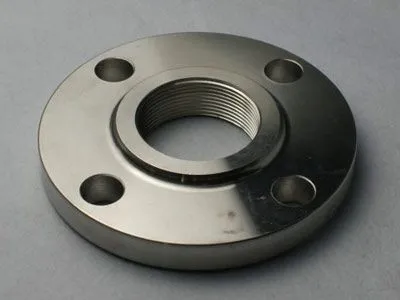
Slip on flanges are a crucial component in many industrial piping systems, known for their ease of installation and cost - effectiveness. As a supplier of Slip On Flanges, I often get asked about the temperature range these flanges can withstand. Understanding this is vital for ensuring the safety and efficiency of any piping system.
Factors Affecting the Temperature Range of Slip On Flanges
The temperature range of slip on flanges is influenced by several key factors. Firstly, the material of the flange plays a significant role. Common materials for slip on flanges include carbon steel, stainless steel, and alloy steel. Each material has its own unique set of thermal properties.
Carbon steel is a popular choice due to its affordability and good mechanical properties. However, its performance at high temperatures is limited. At elevated temperatures, carbon steel can lose its strength and ductility. Generally, carbon steel slip on flanges can operate safely within a temperature range of -20°F to 800°F (-29°C to 427°C). Beyond this range, the risk of material degradation and failure increases significantly.
Stainless steel, on the other hand, offers better corrosion resistance and can handle higher temperatures. Austenitic stainless steels, such as 304 and 316, are commonly used for slip on flanges. These materials can withstand temperatures from -425°F to 1500°F (-254°C to 816°C). Their high chromium and nickel content gives them excellent oxidation resistance at high temperatures, making them suitable for applications in harsh environments.
Alloy steel flanges are designed to provide enhanced performance in extreme conditions. They are often used in high - pressure and high - temperature applications, such as in the oil and gas industry. Alloy steels can have a wide temperature range depending on their specific composition. Some alloy steel slip on flanges can operate at temperatures up to 1200°F (649°C) or even higher, making them ideal for applications where carbon steel would not be sufficient.
Another factor that affects the temperature range is the type of gasket used in conjunction with the slip on flange. Gaskets are used to create a seal between the flange and the mating surface, preventing leakage. Different gasket materials have different temperature ratings. For example, rubber gaskets are suitable for low - temperature applications, typically up to 200°F (93°C). Asbestos - free fiber gaskets can handle temperatures up to 500°F (260°C), while graphite gaskets can withstand temperatures up to 1000°F (538°C).
Applications and Temperature Requirements
The temperature range of slip on flanges determines their suitability for different applications. In the water and wastewater treatment industry, where temperatures are generally moderate, carbon steel slip on flanges are commonly used. These flanges can easily handle the typical operating temperatures of water treatment processes, which usually range from 40°F to 120°F (4°C to 49°C).
In the food and beverage industry, stainless steel slip on flanges are preferred due to their corrosion resistance and hygienic properties. The temperature requirements in this industry can vary depending on the process. For example, in pasteurization processes, temperatures can reach up to 160°F (71°C), and stainless steel flanges can easily handle these conditions.
In the oil and gas industry, high - temperature and high - pressure applications are common. Slip on flanges made from alloy steel are often used in pipelines, refineries, and offshore platforms. These flanges need to withstand temperatures that can exceed 800°F (427°C) during the extraction, processing, and transportation of oil and gas.
The power generation industry also has specific temperature requirements for slip on flanges. In steam power plants, for instance, the steam temperature can reach up to 1000°F (538°C) or higher. Alloy steel or high - grade stainless steel slip on flanges are used in these applications to ensure the integrity of the piping system.
Compatibility with Other Piping Components
When considering the temperature range of slip on flanges, it is important to ensure compatibility with other piping components, such as pipes and valves. For example, if you are using ERW Pipes, the temperature range of the slip on flanges should match the temperature capabilities of the pipes. ERW pipes are commonly used in various industries, and their temperature resistance depends on the material, similar to slip on flanges.
Similarly, when connecting slip on flanges to Large Size Spiral Welded Pipe, the temperature ratings must be carefully considered. These pipes are often used in large - scale infrastructure projects, and any mismatch in temperature ratings can lead to system failures.
Ensuring Safety and Performance
To ensure the safety and performance of slip on flanges within their temperature range, proper installation and maintenance are essential. During installation, the flanges must be properly aligned and tightened to prevent leakage. The gasket should be selected based on the operating temperature and pressure of the system.


Regular inspections should be carried out to check for signs of wear, corrosion, or damage. If any issues are detected, the flanges or gaskets should be replaced immediately. Additionally, it is important to follow the manufacturer's guidelines for installation and maintenance to ensure the long - term performance of the flanges.
Conclusion
In conclusion, the temperature range of slip on flanges depends on various factors, including the material of the flange, the type of gasket used, and the application requirements. As a supplier of Slip On Flange, I understand the importance of providing high - quality flanges that can meet the specific temperature needs of different industries.
If you are in need of slip on flanges for your project, it is crucial to consider the temperature range and other factors to ensure the safety and efficiency of your piping system. Our team of experts can assist you in selecting the right flanges and gaskets for your application. We are committed to providing top - notch products and excellent customer service. Feel free to reach out to us for more information or to discuss your procurement needs. We look forward to partnering with you to meet your industrial piping requirements.
References
- ASME B16.5 - Pipe Flanges and Flanged Fittings
- API 6A - Specification for Wellhead and Christmas Tree Equipment
- ASTM standards for steel materials used in flanges