As a supplier of carbon steel caps, I am often asked about the impact resistance of these crucial pipe fittings. In this blog post, I'll delve into the concept of impact resistance, how it applies to carbon steel caps, and its significance in various industrial applications.
Understanding Impact Resistance
Impact resistance refers to a material's ability to withstand sudden force or shock without undergoing significant deformation or failure. When a carbon steel cap is subjected to an impact, its structure must absorb and dissipate the energy from that impact to prevent damage. This property is especially important in applications where the caps may be exposed to accidental blows, vibrations, or sudden changes in pressure.


Factors Affecting the Impact Resistance of Carbon Steel Caps
Carbon Content
Carbon is a key element in carbon steel, and its content significantly influences the material's properties. Generally, as the carbon content increases, the hardness and strength of the steel also increase. However, higher carbon content can reduce the ductility and toughness of the steel, which are essential for good impact resistance. For carbon steel caps, a balanced carbon content is crucial to ensure both adequate strength and the ability to absorb impact energy.
Microstructure
The microstructure of carbon steel, including the arrangement of grains and the presence of different phases, plays a vital role in its impact resistance. Fine-grained microstructures typically offer better impact properties because they can effectively impede the propagation of cracks. Heat treatment processes, such as quenching and tempering, can be used to modify the microstructure of carbon steel caps, enhancing their impact resistance.
Alloying Elements
In addition to carbon, other alloying elements can be added to carbon steel to improve its impact resistance. Elements like manganese, nickel, and chromium can enhance the strength, toughness, and corrosion resistance of the steel. For example, manganese can increase the hardenability of the steel, while nickel can improve its ductility and toughness at low temperatures.
Testing the Impact Resistance of Carbon Steel Caps
To ensure the quality and reliability of carbon steel caps, various testing methods are employed to evaluate their impact resistance. One of the most common tests is the Charpy impact test. In this test, a notched specimen of the carbon steel cap is struck by a pendulum, and the energy absorbed during the fracture is measured. The results of the Charpy test provide valuable information about the material's toughness and its ability to withstand impact loads.
Another important test is the drop weight test, which involves dropping a heavy weight onto the carbon steel cap from a specified height. This test simulates real-world impact scenarios and helps determine the cap's resistance to sudden impacts. By conducting these tests, we can ensure that our carbon steel caps meet the required standards and perform well in different applications.
Applications of Carbon Steel Caps with High Impact Resistance
Oil and Gas Industry
In the oil and gas industry, carbon steel caps are widely used in pipelines and equipment. These caps need to have high impact resistance to withstand the harsh operating conditions, including high pressure, temperature variations, and potential mechanical impacts. For example, in offshore oil platforms, carbon steel caps are exposed to strong waves, wind, and seismic activities. Caps with excellent impact resistance can prevent leaks and ensure the safety and integrity of the pipeline system.
Construction Industry
In construction, carbon steel caps are used in structural applications, such as building frames and bridges. They are often subjected to dynamic loads, such as wind and earthquake forces. High-impact-resistant carbon steel caps can help distribute these loads evenly and prevent structural failure. Additionally, in building facades and interior installations, carbon steel caps need to be able to withstand accidental impacts from people or objects.
Manufacturing Industry
In the manufacturing industry, carbon steel caps are used in various machinery and equipment. They may be exposed to vibrations, shocks, and collisions during the operation of the equipment. Caps with good impact resistance can ensure the smooth operation of the machinery and reduce the risk of breakdowns. For example, in automotive manufacturing, carbon steel caps are used in engine components and suspension systems, where they need to withstand high-speed impacts and vibrations.
Comparing Carbon Steel Caps with Other Materials
When it comes to impact resistance, carbon steel caps have several advantages over other materials. Compared to plastic caps, carbon steel caps are much stronger and more durable. They can withstand higher impact forces without cracking or breaking. Additionally, carbon steel caps have better heat resistance and can maintain their mechanical properties at high temperatures.
Compared to stainless steel caps, carbon steel caps are generally more cost-effective. While stainless steel offers excellent corrosion resistance, carbon steel can be a more economical choice for applications where corrosion is not a major concern. However, it's important to note that carbon steel caps may require proper coating or treatment to prevent rusting.
Conclusion
In conclusion, the impact resistance of carbon steel caps is a crucial property that determines their performance and reliability in various applications. By understanding the factors that affect impact resistance, conducting appropriate testing, and selecting the right materials and manufacturing processes, we can produce high-quality carbon steel caps that meet the demanding requirements of different industries.
If you are in need of carbon steel caps with excellent impact resistance, I encourage you to reach out to us for a detailed discussion. We have a wide range of carbon steel caps available, including those suitable for different pressure ratings, sizes, and applications. Our team of experts can provide you with professional advice and guidance to ensure that you select the right product for your specific needs. Whether you are involved in the oil and gas industry, construction, or manufacturing, we are committed to providing you with reliable and cost-effective solutions.
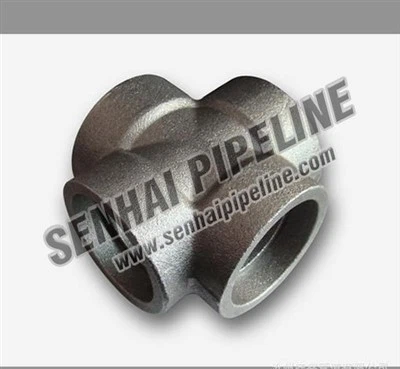
For more information about our other pipe fittings, you can visit our website. We also offer Pipe Fittings Cross, Hot Induction Bends, and Carbon Steel Tee. Contact us today to start the procurement process and experience the quality of our products firsthand.
References
- ASME B16.9 - Factory-Made Wrought Steel Buttwelding Fittings
- ASTM A234 - Standard Specification for Piping Fittings of Wrought Carbon Steel and Alloy Steel for Moderate and High-Temperature Service
- ISO 9001 - Quality Management Systems - Requirements