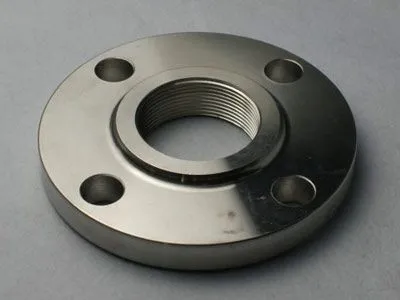
Hey there! As a supplier of blind flanges, I often get asked about the differences between NPT and BSP blind flanges. So, I thought I'd take a few minutes to break it down for you in a way that's easy to understand.
First off, let's talk about what blind flanges are. A blind flange is a solid disk used to close the end of a pipe, valve, or other equipment. It's a crucial part in many piping systems, as it helps to prevent leaks and maintain the integrity of the system. Now, let's dive into the differences between NPT and BSP blind flanges.
NPT Blind Flanges
NPT stands for National Pipe Tapered. It's a U.S. standard for sealing pipe threads. NPT threads are tapered, which means they get smaller in diameter as you move along the length of the thread. This taper is what helps create a seal when the threads are tightened together.
One of the main advantages of NPT blind flanges is their widespread use in North America. If you're working on a project in the United States or Canada, chances are you'll come across NPT threads. They're commonly used in plumbing, HVAC, and industrial applications.
Another benefit of NPT blind flanges is their relatively easy installation. The tapered threads make it easier to align and tighten the flange, reducing the risk of leaks. However, it's important to note that NPT threads require a sealing compound, such as Teflon tape or pipe dope, to create a proper seal.
BSP Blind Flanges
BSP, on the other hand, stands for British Standard Pipe. It's a standard used primarily in the United Kingdom and other Commonwealth countries. BSP threads come in two types: BSPP (British Standard Pipe Parallel) and BSPT (British Standard Pipe Tapered).
BSPP threads are parallel, meaning they have a constant diameter along the length of the thread. To create a seal, a separate sealing ring or gasket is used. BSPT threads, like NPT threads, are tapered and can create a seal without the need for a separate gasket.
One of the advantages of BSP blind flanges is their compatibility with a wide range of international standards. If you're working on a global project, BSP threads may be a better choice as they're recognized and used in many countries around the world.
Another benefit of BSP blind flanges is their durability. The parallel threads of BSPP flanges can provide a more secure connection, especially in high-pressure applications. However, the installation of BSP flanges can be a bit more complex, as it may require the use of a sealing ring or gasket.
Key Differences
Now that we've covered the basics of NPT and BSP blind flanges, let's take a look at some of the key differences between the two:
Thread Design
As mentioned earlier, NPT threads are tapered, while BSP threads can be either parallel (BSPP) or tapered (BSPT). This difference in thread design affects how the flanges are installed and sealed.
Sealing Method
NPT threads require a sealing compound to create a proper seal, while BSPP threads use a separate sealing ring or gasket. BSPT threads, like NPT threads, can create a seal without the need for a separate gasket.
Global Usage
NPT threads are primarily used in North America, while BSP threads are more commonly used in the United Kingdom and other Commonwealth countries. However, both standards are recognized and used globally, so it's important to consider the specific requirements of your project.
Pressure Rating
The pressure rating of NPT and BSP blind flanges can vary depending on the size and material of the flange. In general, BSP flanges, especially those with parallel threads, can handle higher pressures than NPT flanges.
Choosing the Right Blind Flange
When it comes to choosing between NPT and BSP blind flanges, there are a few factors to consider:
Project Location
If your project is located in North America, NPT blind flanges may be the more appropriate choice. If your project is in the United Kingdom or other Commonwealth countries, BSP blind flanges may be a better fit.

Application
Consider the specific application of the blind flange. If you're working in a high-pressure environment, BSP flanges may be more suitable. If ease of installation is a priority, NPT flanges may be the way to go.
Compatibility
Make sure the blind flange you choose is compatible with the existing piping system. Check the thread size, pressure rating, and material requirements to ensure a proper fit.
Other Types of Flanges
In addition to NPT and BSP blind flanges, there are several other types of flanges available. Here are a few examples:
- Carbon Steel Plate Flange: These flanges are made from carbon steel and are commonly used in industrial applications.
- Lap Joint Flange: Lap joint flanges are used when frequent disassembly is required. They consist of a stub end and a loose backing flange.
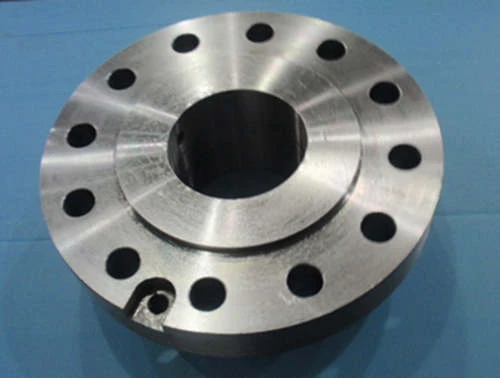
- Orifice Flange Facing: Orifice flanges are used in metering applications to measure the flow of fluids. They have a special facing to accommodate an orifice plate.
Conclusion
In conclusion, the main difference between NPT and BSP blind flanges lies in their thread design, sealing method, global usage, and pressure rating. When choosing a blind flange, it's important to consider the specific requirements of your project, including the location, application, and compatibility with the existing piping system.
As a blind flange supplier, I'm here to help you make the right choice. Whether you need NPT or BSP blind flanges, or any other type of flange, I can provide you with high-quality products at competitive prices. If you have any questions or need more information, feel free to reach out to me. Let's start a conversation and find the perfect solution for your project!
References
- "Pipe Thread Standards: NPT vs. BSP." Piping Technology & Products, Inc.
- "British Standard Pipe Threads." Wikipedia.
- "National Pipe Thread." Wikipedia.