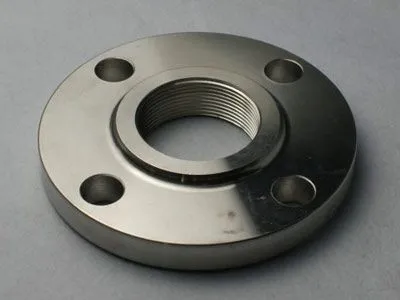
In the world of industrial piping systems, blind flanges play a crucial role. As a dedicated blind flange supplier, I've witnessed firsthand the importance of understanding the differences between forged and cast blind flanges. This knowledge not only helps in making the right product selection but also ensures the efficiency and safety of piping operations. In this blog, I'll delve into the distinct characteristics of forged and cast blind flanges to help you make an informed decision.
Manufacturing Processes
The first significant difference between forged and cast blind flanges lies in their manufacturing processes.
Forging Process
Forging is a manufacturing process where metal is shaped by applying compressive forces. Forged blind flanges are created by heating a solid piece of metal to a malleable state and then using hammers, presses, or dies to shape it into the desired form. This process involves a high - energy impact or pressure that compresses the metal grains, aligning them in a specific direction. The result is a flange with a dense and uniform grain structure.
Casting Process
Casting, on the other hand, is a process of pouring molten metal into a mold. For cast blind flanges, the metal is melted in a furnace and then carefully poured into a pre - made mold that has the shape of the flange. As the metal cools and solidifies, it takes on the shape of the mold. During this process, the metal grains form randomly as the liquid metal solidifies.
Physical Properties
The manufacturing processes have a direct impact on the physical properties of forged and cast blind flanges.
Strength and Durability
Forged blind flanges are generally stronger and more durable than their cast counterparts. The aligned grain structure in forged flanges provides enhanced resistance to stress, impact, and fatigue. This makes them ideal for high - pressure and high - temperature applications, such as in oil and gas pipelines, power generation plants, and chemical processing facilities. For example, in an oil refinery where pipelines carry crude oil under high pressure, forged blind flanges can better withstand the forces and prevent leaks or failures.
Cast blind flanges, while still strong, have a more random grain structure. This can make them more susceptible to cracking and failure under extreme stress conditions. However, for applications with lower pressure and temperature requirements, cast blind flanges can be a cost - effective option.
Ductility
Forged blind flanges also tend to have better ductility. Ductility is the ability of a material to deform under tensile stress without breaking. In piping systems, this property is important as it allows the flange to withstand minor misalignments and vibrations without cracking. A forged blind flange can stretch slightly when subjected to stress, which can prevent sudden failures. Cast blind flanges have lower ductility, which means they are more likely to crack when faced with stress that causes deformation.
Density
The density of forged and cast blind flanges can also vary. Forged flanges typically have a higher density due to the compression of the metal during the forging process. This higher density can contribute to their overall strength and durability. Cast flanges may have a slightly lower density, which can be a consideration in applications where weight is a factor.
Surface Finish and Machinability
The surface finish and machinability of forged and cast blind flanges are also different.
Surface Finish
Forged blind flanges usually have a smoother surface finish. The forging process, which involves shaping the metal under pressure, can result in a more uniform and polished surface. This smooth surface is beneficial in applications where a tight seal is required, as it can improve the sealing performance between the flange and the gasket.
Cast blind flanges may have a rougher surface finish due to the nature of the casting process. The molten metal can leave behind small imperfections on the surface of the flange. However, additional machining operations can be performed to improve the surface finish of cast flanges if necessary.
Machinability
Forged blind flanges are generally more machinable than cast flanges. The uniform grain structure in forged flanges allows for easier cutting, drilling, and threading. This can be an advantage when customizing the flange to meet specific requirements. For example, if a flange needs to have additional holes drilled for specific piping connections, a forged flange can be machined more precisely and efficiently.
Cast flanges, with their random grain structure, can be more difficult to machine. The uneven distribution of grains can cause the cutting tools to wear out more quickly and may result in less precise machining.
Cost Considerations
Cost is an important factor in any purchasing decision.
Initial Cost
Cast blind flanges are usually less expensive than forged blind flanges. The casting process is generally more straightforward and requires less energy compared to forging. Additionally, the raw materials used in casting can be less costly. This makes cast flanges an attractive option for budget - conscious projects where the pressure and temperature requirements are not extremely high.
Long - Term Cost
However, when considering the long - term cost, forged blind flanges may be a more cost - effective choice. Their superior strength and durability mean that they are less likely to fail, reducing the need for frequent replacements and maintenance. In high - pressure and high - temperature applications, the cost of a flange failure can be extremely high, including downtime, repair costs, and potential safety hazards. Therefore, the initial higher cost of forged flanges can be offset by their longer service life and lower maintenance requirements.
Applications
The differences in properties between forged and cast blind flanges make them suitable for different applications.
Forged Blind Flanges
Forged blind flanges are commonly used in critical applications where safety and reliability are of utmost importance. Some of these applications include:
- Oil and Gas Industry: In offshore platforms, refineries, and pipelines, forged blind flanges are used to seal the ends of pipes carrying high - pressure oil and gas. They can withstand the harsh environmental conditions and high - pressure differentials.
- Power Generation: In power plants, whether it's a nuclear, thermal, or hydroelectric power plant, forged blind flanges are used in high - pressure steam and water piping systems.
- Chemical Processing: In chemical plants, where corrosive chemicals are transported under high pressure, forged blind flanges are preferred due to their strength and resistance to corrosion.
Cast Blind Flanges
Cast blind flanges are often used in less demanding applications, such as:
- Water and Wastewater Treatment Plants: In these facilities, the pressure and temperature requirements are relatively low. Cast blind flanges can be used to seal the ends of pipes in water distribution systems and wastewater treatment processes.
- Low - Pressure Industrial Piping: In some industrial settings where the fluid being transported is at low pressure, such as in ventilation systems or low - pressure air lines, cast blind flanges can be a suitable and cost - effective option.
Conclusion
In conclusion, the differences between forged and cast blind flanges are significant and should be carefully considered when selecting a flange for a specific application. As a [Blind Flange Supplier], I understand that each project has unique requirements, and the choice between forged and cast blind flanges depends on factors such as pressure, temperature, budget, and the nature of the fluid being transported.


If you are in the process of selecting blind flanges for your project, I encourage you to reach out for more detailed information and guidance. Whether you need high - strength forged blind flanges for a critical application or cost - effective cast blind flanges for a less demanding project, I can provide the right solution. You can also explore our other products such as Carbon Steel Threaded Flange and Socket Welding Flange on our website. Visit our Blind Flange page to learn more about our blind flange offerings. Don't hesitate to contact me for further discussions on your flange needs and to start the procurement process.
References
- ASME Boiler and Pressure Vessel Code
- API Standards for Piping and Flanges
- ASTM Standards for Forged and Cast Metals