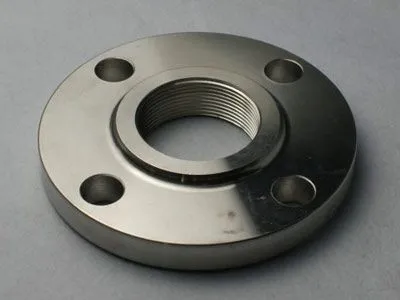
A socket-weld flange is a crucial component in the piping industry, known for its unique design and functionality. As a seasoned flanges supplier, I've witnessed firsthand the diverse applications and benefits of socket-weld flanges. In this blog, I'll delve into what a socket-weld flange is, its characteristics, and how it compares to other types of flanges.
What is a Socket-Weld Flange?
A socket-weld flange is a type of flange that is designed to be welded to the pipe using a socket joint. Unlike other flanges that are welded around the outside of the pipe, a socket-weld flange has a recessed area or socket where the pipe is inserted. This design allows for a strong and secure connection, as the weld is made both inside and outside the socket, providing additional strength and integrity to the joint.
The socket-weld flange is typically used in small-diameter piping systems, where the flow rate is relatively low and the pressure is moderate. It is commonly found in industries such as chemical processing, oil and gas, and power generation, where reliability and leak prevention are of utmost importance.
Characteristics of Socket-Weld Flanges
1. Strong and Durable Joint
One of the primary characteristics of a socket-weld flange is its ability to provide a strong and durable joint. The socket design allows for a larger weld area, which increases the strength of the connection. Additionally, the double-welded joint (inside and outside the socket) provides extra reinforcement, making it resistant to high pressures and vibrations.
2. Leak Prevention
Socket-weld flanges are known for their excellent leak prevention capabilities. The socket joint creates a tight seal between the flange and the pipe, reducing the risk of leaks. This is particularly important in applications where the fluid or gas being transported is hazardous or expensive.
3. Easy Installation
Compared to other types of flanges, socket-weld flanges are relatively easy to install. The socket design allows for quick and accurate alignment of the pipe, reducing the installation time. Additionally, the welding process is straightforward, making it accessible to skilled welders.
4. Compact Design
Socket-weld flanges have a compact design, which makes them suitable for applications where space is limited. The reduced size of the flange also reduces the overall weight of the piping system, which can be beneficial in certain applications.
5. Corrosion Resistance
Socket-weld flanges are available in a variety of materials, including stainless steel, carbon steel, and alloy steel. These materials offer excellent corrosion resistance, making them suitable for use in harsh environments.

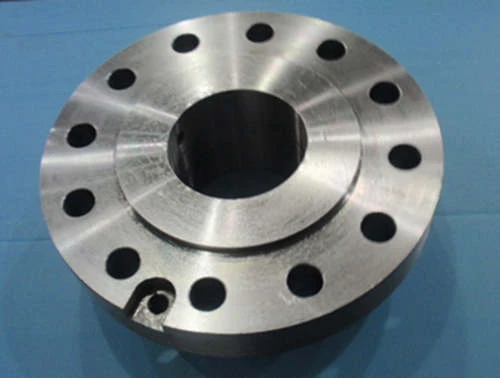
Comparison with Other Types of Flanges
1. Socket-Weld Flange vs. Weld-Neck Flange
Weld-neck flanges are another popular type of flange used in the piping industry. While both socket-weld and weld-neck flanges provide a strong and durable joint, there are some key differences between the two.
- Design: Weld-neck flanges have a long, tapered neck that is welded to the pipe, while socket-weld flanges have a socket where the pipe is inserted.
- Strength: Weld-neck flanges are generally stronger than socket-weld flanges, as they have a larger weld area and a more gradual transition from the flange to the pipe.
- Installation: Weld-neck flanges are more difficult to install than socket-weld flanges, as they require more precise alignment and welding.
- Cost: Weld-neck flanges are typically more expensive than socket-weld flanges, due to their larger size and more complex design.
2. Socket-Weld Flange vs. Slip-On Flange
Slip-on flanges are another common type of flange used in the piping industry. They are similar to socket-weld flanges in that they are both welded to the pipe, but there are some key differences between the two.
- Design: Slip-on flanges have a flat face and a hole in the center, where the pipe is inserted. Socket-weld flanges have a socket where the pipe is inserted.
- Strength: Slip-on flanges are generally weaker than socket-weld flanges, as they have a smaller weld area and a less secure connection.
- Installation: Slip-on flanges are easier to install than socket-weld flanges, as they do not require precise alignment.
- Cost: Slip-on flanges are typically less expensive than socket-weld flanges, due to their simpler design.
Applications of Socket-Weld Flanges
Socket-weld flanges are used in a wide range of applications, including:
- Chemical Processing: Socket-weld flanges are commonly used in chemical processing plants, where they are used to connect pipes carrying corrosive chemicals.
- Oil and Gas: Socket-weld flanges are used in the oil and gas industry, where they are used to connect pipes carrying oil, gas, and other hydrocarbons.
- Power Generation: Socket-weld flanges are used in power generation plants, where they are used to connect pipes carrying steam, water, and other fluids.
- Food and Beverage: Socket-weld flanges are used in the food and beverage industry, where they are used to connect pipes carrying food products and beverages.
Conclusion
In conclusion, socket-weld flanges are a versatile and reliable component in the piping industry. Their unique design and characteristics make them suitable for a wide range of applications, particularly those where strength, durability, and leak prevention are of utmost importance. As a flanges supplier, I'm committed to providing high-quality socket-weld flanges that meet the needs of my customers. If you're in the market for socket-weld flanges or any other type of flanges, I encourage you to contact me to discuss your requirements. I'd be happy to provide you with a quote and answer any questions you may have.
References
- ASME B16.5 - Pipe Flanges and Flanged Fittings
- ASTM A105 - Standard Specification for Carbon Steel Forgings for Piping Applications
- ASTM A350 - Standard Specification for Carbon and Low-Alloy Steel Forgings, Requiring Notch Toughness Testing for Piping Components