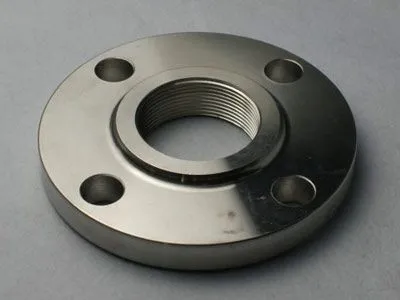
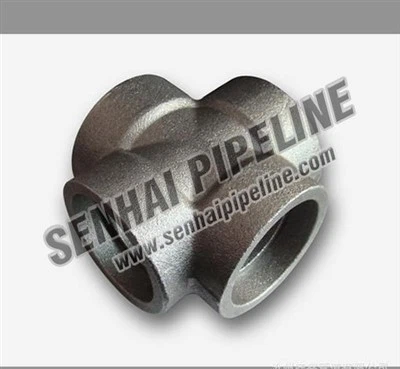
Hey there! As a forged fittings supplier, I've seen firsthand the importance of safety when using these products. Forged fittings are widely used in various industries, including oil and gas, chemical, and power generation, due to their strength and durability. However, if not used correctly, they can pose significant safety risks. In this blog post, I'll share some essential safety precautions to keep in mind when using forged fittings.
1. Inspection Before Installation
Before you even think about installing forged fittings, a thorough inspection is a must. First off, check for any visible signs of damage such as cracks, dents, or corrosion. Cracks can weaken the fitting and lead to leaks or even catastrophic failures under pressure. Dents might affect the flow of the fluid or gas through the fitting, causing turbulence and potentially increasing stress on the fitting. Corrosion, on the other hand, can eat away at the material over time, reducing its integrity.
Also, make sure the fitting's dimensions match the requirements of your piping system. Incorrect dimensions can lead to improper connections, which can result in leaks. You can use precision measuring tools like calipers and micrometers to verify the dimensions. For example, if you're using a Forged Lateral Tee, ensure that the branch and run sizes are compatible with your pipes.
2. Proper Installation
Proper installation is crucial for the safe use of forged fittings. Always follow the manufacturer's installation instructions. These instructions are designed to ensure that the fitting is installed correctly and will perform as expected.
One of the key aspects of installation is the alignment of the fitting with the pipes. Misalignment can cause stress concentrations, which can lead to premature failure. Use alignment tools like alignment clamps to ensure that the fitting and pipes are properly aligned before welding or bolting.
When it comes to welding, use the appropriate welding procedures and techniques. The welding process can significantly affect the integrity of the fitting. Make sure the welder is qualified and experienced in welding forged fittings. Improper welding can result in weld defects such as porosity, lack of fusion, or cracking, which can compromise the safety of the fitting.
For socket-welded fittings like Socket Welded Equal Tee and Socket Welded Olets, ensure that the pipe is inserted to the proper depth in the socket. There should be a small gap at the bottom of the socket to allow for expansion during welding.
3. Pressure and Temperature Considerations
Forged fittings are designed to operate within specific pressure and temperature ranges. It's essential to know these limits and ensure that the operating conditions of your system are within the specified ranges.
Exceeding the pressure rating of a fitting can cause it to fail. The pressure in the system should be monitored regularly using pressure gauges. If the pressure exceeds the rated value, take immediate action to reduce it. This could involve adjusting the flow rate, checking for blockages in the system, or replacing a faulty valve.
Temperature also plays a crucial role. High temperatures can cause the material of the fitting to expand, which can lead to leaks or even structural failure if the fitting is not designed to handle the temperature. On the other hand, low temperatures can make the material brittle, increasing the risk of cracking. Make sure to use fittings that are suitable for the temperature conditions of your application.
4. Maintenance and Inspection
Regular maintenance and inspection are essential for the long-term safety of forged fittings. Set up a maintenance schedule to check the fittings for signs of wear, corrosion, or damage.
Inspect the fittings visually on a regular basis. Look for any signs of leaks, such as wet spots or discoloration around the fitting. Check the welds for cracks or other defects. You can also use non-destructive testing methods like ultrasonic testing or magnetic particle testing to detect internal defects.
If you notice any issues during the inspection, take immediate action to repair or replace the fitting. Ignoring small problems can lead to more significant issues down the line, which can be costly and dangerous.
5. Training and Education
Ensure that all personnel involved in the installation, operation, and maintenance of forged fittings are properly trained. Training should cover topics such as installation procedures, safety precautions, and maintenance requirements.
Employees should be aware of the potential hazards associated with using forged fittings and know how to respond in case of an emergency. Provide them with safety manuals and guidelines, and conduct regular safety training sessions.
6. Handling and Storage
Proper handling and storage of forged fittings are also important for safety. When handling the fittings, use appropriate lifting equipment to avoid dropping or damaging them. Sharp edges on the fittings can cause cuts, so wear appropriate personal protective equipment (PPE) such as gloves.


During storage, keep the fittings in a dry and clean environment. Exposure to moisture can cause corrosion, which can weaken the fitting. Store the fittings in a rack or on a pallet to prevent them from being damaged.
Conclusion
Using forged fittings safely requires a combination of proper inspection, installation, maintenance, and training. By following these safety precautions, you can minimize the risk of accidents and ensure the reliable operation of your piping system.
If you're in the market for high-quality forged fittings, I'd love to talk to you. As a supplier, I can provide you with the right fittings for your specific needs and offer expert advice on their safe use. Don't hesitate to reach out for a purchase and start a discussion about your requirements.
References
- ASME B16.11 - Forged Fittings, Socket-Welding and Threaded
- API 608 - Metal Ball Valves, Flanged, Threaded, and Welding Ends