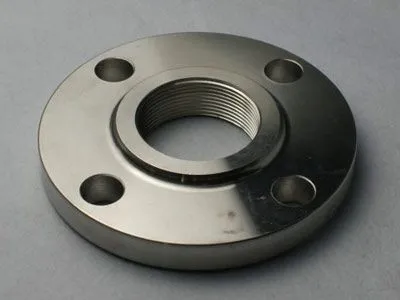
A lap joint flange is a specialized type of flange that is widely used in piping systems for its unique design and functionality. As a lap joint flange supplier, I have had the privilege of working with various clients and projects, and I understand the importance of knowing the main components of this essential piping component. In this blog post, I will delve into the key elements that make up a lap joint flange, their functions, and how they contribute to the overall performance of the piping system.
1. Flange Ring
The flange ring is the primary visible part of the lap joint flange. It is a circular metal disc with a series of bolt holes around its perimeter. The flange ring is typically made from materials such as carbon steel, stainless steel, or alloy steel, depending on the specific application requirements. The material selection is crucial as it determines the flange's resistance to corrosion, pressure, and temperature.
The main function of the flange ring is to provide a connection point between two pipes or between a pipe and a valve or other equipment. When the bolts are tightened, the flange ring creates a secure and leak - tight seal. The size of the flange ring, including its outer diameter, inner diameter, and thickness, is standardized according to industry standards such as ASME B16.5 or EN 1092 - 1. These standards ensure compatibility between different components in the piping system.
2. Stub End
The stub end is a short piece of pipe that is welded to the end of the main pipe. It has a flared end that fits inside the flange ring. The stub end is an integral part of the lap joint flange assembly as it provides the sealing surface. Unlike other types of flanges where the sealing is directly on the flange face, in a lap joint flange, the sealing occurs between the stub end and the mating surface of the adjacent component.
Stub ends are usually made from the same material as the main pipe to ensure consistent performance. They are available in different wall thicknesses and lengths to suit various piping configurations. The welding of the stub end to the main pipe is a critical process that requires skilled welders and proper welding procedures to ensure a strong and reliable joint.
3. Bolts and Nuts
Bolts and nuts are used to fasten the flange ring to the mating flange or equipment. They play a vital role in maintaining the integrity of the flange connection. The bolts are inserted through the bolt holes in the flange ring and are tightened using nuts. The number, size, and grade of bolts and nuts are determined by the flange size, pressure rating, and the application requirements.
High - strength bolts are commonly used in lap joint flange assemblies to withstand the pressure and forces exerted on the piping system. The bolts are usually made from materials such as carbon steel or alloy steel, and they are heat - treated to enhance their strength and durability. Nuts are selected to match the bolts in terms of size and thread pitch. Proper tightening of the bolts is essential to achieve the correct sealing pressure and prevent leaks.
4. Gaskets
Gaskets are used to create a seal between the stub end and the mating surface of the adjacent component. They are placed between the flange faces and are compressed when the bolts are tightened. Gaskets are available in a variety of materials, including rubber, graphite, PTFE (polytetrafluoroethylene), and metal.
The choice of gasket material depends on factors such as the fluid being transported, the temperature and pressure of the system, and the chemical compatibility. For example, rubber gaskets are suitable for low - pressure and low - temperature applications, while graphite gaskets are more appropriate for high - temperature and high - pressure systems. The gasket must be properly sized and installed to ensure a reliable seal.
5. Washers
Washers are small, flat discs that are placed under the nuts or bolt heads. Their main function is to distribute the load evenly across the flange surface and prevent damage to the flange and the gasket. Washers can be made from materials such as steel, stainless steel, or non - metallic materials.
There are different types of washers, including flat washers and spring washers. Flat washers are used to provide a smooth surface for the nut or bolt head, while spring washers are used to maintain the tension in the bolts by compensating for any slight movement or vibration in the piping system.


Comparison with Other Flange Types
It is worth comparing lap joint flanges with other common flange types such as Welding Neck Flange, Socket Welding Flange, and Long Welding Neck Flange.
- Welding Neck Flange: A welding neck flange has a long tapered hub that is welded to the pipe. It provides excellent stress distribution and is suitable for high - pressure and high - temperature applications. In contrast, lap joint flanges are more suitable for applications where frequent disassembly is required as the flange can be easily rotated without disturbing the pipe.
- Socket Welding Flange: Socket welding flanges are welded into a socket in the pipe. They are used for smaller pipe sizes and lower - pressure applications. Lap joint flanges, on the other hand, offer more flexibility in terms of alignment and can be used in a wider range of pipe sizes.
- Long Welding Neck Flange: Long welding neck flanges have an extended neck that provides additional support and stress relief. They are often used in critical applications such as in the oil and gas industry. Lap joint flanges are more cost - effective and easier to install in less demanding applications.
Applications of Lap Joint Flanges
Lap joint flanges are used in a variety of industries and applications. Some of the common applications include:
- Chemical Industry: In chemical processing plants, lap joint flanges are used to connect pipes carrying corrosive chemicals. The ability to easily disassemble the flange for inspection and maintenance makes them a popular choice.
- Food and Beverage Industry: Lap joint flanges are used in food and beverage processing plants where hygiene is a major concern. The smooth surfaces of the flange components are easy to clean, and the disassembly feature allows for thorough sanitation.
- Water Treatment Plants: In water treatment facilities, lap joint flanges are used to connect pipes in the water distribution system. They can withstand the pressure and corrosion associated with water treatment processes.
Conclusion
In conclusion, a lap joint flange consists of several main components, including the flange ring, stub end, bolts and nuts, gaskets, and washers. Each component plays a crucial role in ensuring the proper functioning and reliability of the piping system. As a lap joint flange supplier, I understand the importance of providing high - quality components that meet industry standards.
If you are in need of lap joint flanges for your project, I encourage you to reach out to me for more information. Whether you have specific requirements regarding material, size, or pressure rating, I can assist you in selecting the right components for your application. Contact me to start a discussion about your lap joint flange needs and let's work together to ensure the success of your piping system.
References
- ASME B16.5: Pipe Flanges and Flanged Fittings
- EN 1092 - 1: Flanges and their joints - Circular flanges for pipes, valves, fittings and accessories, PN designated - Part 1: Steel flanges