Hey there! As a supplier of Welding Neck Flanges, I've seen my fair share of installation errors over the years. These errors can lead to all sorts of problems, from leaks to structural failures. So, I thought I'd share some of the most common ones with you.
1. Incorrect Alignment
One of the most frequent mistakes is incorrect alignment of the flanges. When the flanges aren't properly aligned, it can cause uneven stress distribution. This means that some parts of the flange joint will bear more load than others. Over time, this uneven stress can lead to cracks in the weld or the flange itself.
To avoid this, it's crucial to use alignment tools during the installation process. Laser alignment tools are great for getting precise measurements. Make sure that both flanges are in the same plane and that the bolt holes line up perfectly. If the alignment is off even by a small margin, it can spell trouble down the road.
2. Improper Welding
Welding is a critical step in installing Welding Neck Flanges, and there are several ways it can go wrong. First off, using the wrong welding technique can be a major issue. Different types of flanges and applications require specific welding methods. For example, if you're working with a high - pressure pipeline, you need to use a welding technique that can withstand the pressure.
Another common problem is poor weld quality. This can happen if the welder isn't experienced or if the welding parameters aren't set correctly. Things like incorrect welding current, voltage, or travel speed can result in weak welds. A weak weld won't be able to hold the flange in place properly, increasing the risk of leaks and failures.
Also, not pre - heating the flange before welding can cause problems. Pre - heating helps to reduce the risk of cracking in the weld and the base metal. It's especially important when working with thicker flanges or in cold environments.
3. Bolt Tightening Issues
Bolt tightening is often overlooked, but it's a key part of flange installation. One of the main errors is uneven bolt tightening. If the bolts aren't tightened evenly, it can create a gap on one side of the flange joint. This gap can allow fluids or gases to leak out.
To ensure even tightening, it's recommended to use a torque wrench. A torque wrench allows you to apply the correct amount of force to each bolt. You should also follow a specific tightening sequence. Usually, you start with the bolts opposite each other and work your way around the flange in a star pattern.
Another problem is over - tightening or under - tightening the bolts. Over - tightening can damage the flange or the bolts themselves. It can cause the bolts to stretch or break, and it may also distort the flange. Under - tightening, on the other hand, won't create a proper seal, leading to leaks.
4. Surface Preparation Problems
The surface of the flange needs to be properly prepared before installation. If there's dirt, rust, or debris on the flange surface, it can prevent a good seal. Rust, in particular, can weaken the weld and reduce the effectiveness of the gasket.
Before installation, you should clean the flange surfaces thoroughly. You can use a wire brush, sandpaper, or a chemical cleaner to remove any contaminants. After cleaning, make sure to dry the surfaces completely.


Another aspect of surface preparation is ensuring that the flange surface is flat. Any dents or unevenness can cause problems with the gasket seal. You can use a straightedge to check the flatness of the flange surface. If there are any irregularities, you may need to machine the surface to make it flat.
5. Gasket Selection and Installation Errors
Choosing the wrong gasket is a common installation error. Different applications require different types of gaskets. For example, if you're working with a high - temperature or high - pressure system, you need a gasket that can withstand those conditions. Using a low - quality or inappropriate gasket can lead to leaks.
When installing the gasket, make sure it's centered correctly between the flanges. If the gasket is off - center, it won't create a proper seal. Also, be careful not to damage the gasket during installation. A torn or damaged gasket won't work effectively.
6. Ignoring Manufacturer's Instructions
Many installers make the mistake of not following the manufacturer's instructions. Each type of Welding Neck Flange has specific installation requirements. These instructions are based on extensive testing and engineering knowledge.
The manufacturer's instructions will tell you things like the recommended welding procedure, the correct torque values for the bolts, and the proper gasket type. Ignoring these instructions can void the warranty and increase the risk of installation failures.
How Our Products Can Help
At our company, we offer high - quality Welding Neck Flanges that are designed to minimize these installation errors. Our flanges are made from top - grade materials, ensuring durability and reliability. We also provide detailed installation instructions with each product to help you avoid common mistakes.
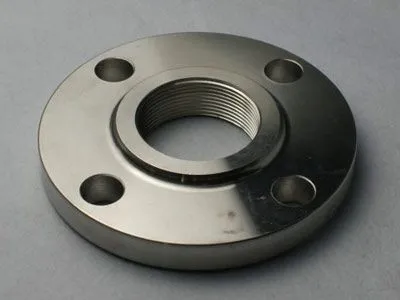
We have a wide range of products, including the Long Welding Neck Flange, which is ideal for applications where additional strength and stability are required. Our Carbon Steel Threaded Flange is another great option for those looking for a reliable and easy - to - install flange. And if you need a flange that allows for easy disassembly, our Lap Joint Flange is a perfect choice.
If you're in the market for Welding Neck Flanges and want to avoid these common installation errors, feel free to reach out to us. We're here to help you with your procurement needs and ensure that you get the right product for your application. Contact us today to start a discussion about your project requirements.
References
- ASME B16.5 - Pipe Flanges and Flanged Fittings
- API 6A - Specification for Wellhead and Christmas Tree Equipment
- Manufacturer's manuals for Welding Neck Flanges