Hey there! I'm a flange supplier, and I often get asked about how to select flanges for a low-pressure system. It's a crucial question, especially when you're looking to ensure the efficiency and safety of your operations. In this blog, I'll share some tips and insights to help you make the right choice.
First off, let's understand what a low-pressure system is. Generally, a low-pressure system operates at pressures below 150 psi (pounds per square inch). These systems are commonly found in various industries, such as water treatment plants, HVAC systems, and some light industrial applications.
Now, let's dive into the factors you need to consider when selecting flanges for a low-pressure system.
Material Selection
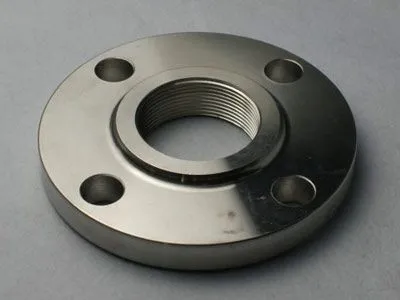
The material of the flange is a critical factor. For low-pressure systems, carbon steel is a popular choice. It's cost-effective, readily available, and has good mechanical properties. Carbon Steel Plate Flange is a great option made from carbon steel. It can withstand the pressures in low-pressure systems and is suitable for a wide range of applications.
Stainless steel is another option. It offers better corrosion resistance compared to carbon steel, which is especially important if the system is handling corrosive fluids or is located in a corrosive environment. However, stainless steel flanges are more expensive than carbon steel ones.

Flange Type
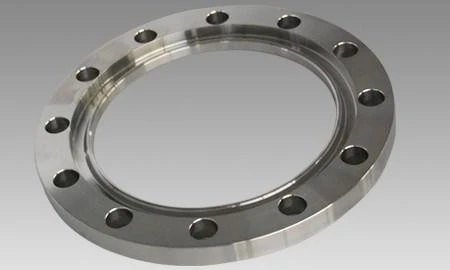
There are several types of flanges available, and each has its own advantages and applications in low-pressure systems.
- Weld Neck Flanges: These flanges have a long tapered hub that provides excellent stress distribution. They are suitable for applications where the system is subject to high temperatures, vibrations, or where a high degree of reliability is required. The Long Welding Neck Flange is a type of weld neck flange that offers even better performance in certain situations. It's often used in pipelines where the flow of fluid needs to be smooth and the connection needs to be strong.
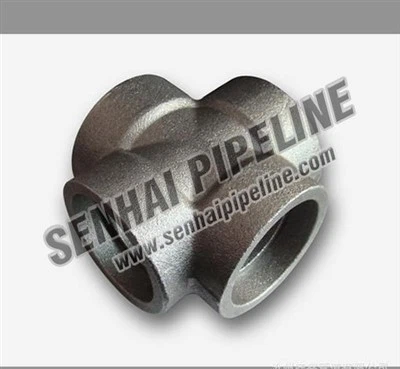
- Socket Welding Flanges: Socket welding flanges are easy to install and are suitable for small-diameter pipes in low-pressure systems. They are welded into place, providing a good seal. The Socket Welding Flange is a popular choice for applications where space is limited or where quick installation is required.
- Slip-On Flanges: Slip-on flanges are the most common type of flanges used in low-pressure systems. They are easy to align and install, and they are relatively inexpensive. They are simply slipped over the pipe and then welded in place.
Pressure Rating
Even though it's a low-pressure system, you still need to ensure that the flanges you select have the appropriate pressure rating. The pressure rating of a flange indicates the maximum pressure it can safely withstand. You should always choose flanges with a pressure rating that is higher than the operating pressure of your system to provide a safety margin.
Size and Dimensions
The size and dimensions of the flanges need to match the pipes in your system. You need to consider the pipe diameter, wall thickness, and the bolt hole pattern. Using flanges that are the wrong size can lead to leaks and other problems. Make sure to measure your pipes accurately and choose flanges that are compatible.
End Connection
The end connection of the flange is also important. There are different types of end connections, such as raised face, flat face, and ring joint face. The choice of end connection depends on the type of gasket you'll be using and the requirements of your system. A raised face connection is the most common type used in low-pressure systems as it provides a good seal with a standard gasket.
Gasket Selection
The gasket is an important part of the flange connection as it provides the seal between the flanges. For low-pressure systems, you can use a variety of gaskets, such as rubber gaskets, cork gaskets, or spiral wound gaskets. The choice of gasket depends on the fluid being handled, the temperature, and the pressure of the system.
Installation and Maintenance
Proper installation and maintenance are crucial for the performance of the flanges in a low-pressure system. Make sure to follow the manufacturer's instructions when installing the flanges. Check the bolts regularly to ensure they are tightened properly, and inspect the gaskets for signs of wear or damage.
In conclusion, selecting the right flanges for a low-pressure system requires careful consideration of several factors, including material, type, pressure rating, size, end connection, and gasket selection. By taking the time to choose the right flanges, you can ensure the efficiency and safety of your system.
If you're in the market for flanges for your low-pressure system, I'm here to help. As a flange supplier, I have a wide range of flanges available to meet your needs. Whether you need carbon steel plate flanges, long welding neck flanges, or socket welding flanges, I can provide you with high-quality products at competitive prices. Contact me to start a procurement discussion and find the perfect flanges for your project.
References
- ASME B16.5 - Pipe Flanges and Flanged Fittings
- API 6A - Specification for Wellhead and Christmas Tree Equipment
- ISO 7005 - Metallic Flanges for Piping
- MSS SP-44 - Steel Pipeline Flanges