How to Reduce the Noise Generated by a Pipe Fittings Cross
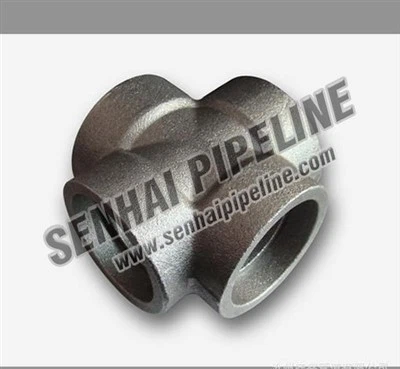
As a supplier of Pipe Fittings Cross, I've encountered numerous inquiries from clients regarding noise issues associated with these crucial components in piping systems. Noise from Pipe Fittings Cross can be a significant concern in various settings, such as industrial plants, commercial buildings, and residential complexes. Excessive noise not only causes discomfort but can also indicate underlying problems in the system, potentially leading to equipment damage and inefficiencies. In this blog, I'll share some effective strategies to reduce the noise generated by a Pipe Fittings Cross.

Understanding the Sources of Noise
Before delving into noise reduction methods, it's essential to understand the root causes of the noise. The primary sources of noise in a Pipe Fittings Cross include:

- Fluid Turbulence: When fluid flows through the cross, it can create turbulence, especially at the intersections where the flow direction changes abruptly. This turbulence generates pressure fluctuations, which are then transmitted as sound waves through the pipe walls and the surrounding environment.
- Vibration: The cross itself can vibrate due to the dynamic forces exerted by the flowing fluid. These vibrations can be amplified if the pipe is not properly supported or if there are loose connections. Vibration-induced noise can be particularly noticeable if the frequency of the vibration matches the natural frequency of the pipe or the surrounding structure.
- Cavitation: Cavitation occurs when the pressure of the fluid drops below its vapor pressure, causing the formation of vapor bubbles. These bubbles collapse when they move to a region of higher pressure, generating shock waves that can produce a loud, popping noise. Cavitation can also cause damage to the internal surface of the Pipe Fittings Cross over time.
Noise Reduction Strategies
1. Optimize Pipe Layout and Design
- Smooth Flow Path: Design the piping system to minimize sudden changes in flow direction and velocity. Use gentle bends and gradual transitions instead of sharp angles. For example, instead of using a standard 90-degree elbow at the cross, consider using Hot Induction Bends which provide a smoother flow path, reducing turbulence and noise.
- Proper Sizing: Ensure that the Pipe Fittings Cross and the connected pipes are correctly sized for the flow rate and pressure of the fluid. An undersized cross can cause high-velocity flow, leading to increased turbulence and noise. On the other hand, an oversized cross may result in inefficient flow and stagnant areas, which can also contribute to noise problems.
2. Use Noise-Reducing Materials
- Insulation: Wrap the Pipe Fittings Cross and the surrounding pipes with acoustic insulation materials. These materials absorb sound waves and reduce the transmission of noise to the surrounding environment. Common insulation materials include fiberglass, mineral wool, and foam.
- Lined Fittings: Consider using lined Pipe Fittings Cross with materials such as rubber or plastic. These linings can dampen the vibrations and reduce the noise generated by the fluid flow. Additionally, the lining can protect the internal surface of the cross from corrosion and erosion, extending its service life.
3. Install Vibration Dampeners
- Spring Hangers and Supports: Use spring hangers and supports to isolate the Pipe Fittings Cross from the surrounding structure. These devices absorb the vibrations and prevent them from being transmitted to the building or other equipment. Make sure to properly adjust the spring hangers to ensure that they provide the appropriate level of support.
- Anti-Vibration Pads: Place anti-vibration pads between the Pipe Fittings Cross and its mounting surface. These pads are made of rubber or other elastic materials and can effectively reduce the transmission of vibrations and noise.
4. Control Fluid Velocity
- Flow Restriction Devices: Install flow restriction devices, such as valves or orifices, to control the fluid velocity in the Pipe Fittings Cross. By reducing the velocity, you can minimize the turbulence and noise generated by the fluid flow. However, it's important to ensure that the flow restriction does not cause excessive pressure drop or affect the performance of the system.
- Variable Frequency Drives (VFDs): In systems where the flow rate needs to be adjusted, consider using VFDs to control the speed of the pumps or other fluid-moving equipment. VFDs allow you to optimize the flow rate and reduce the fluid velocity, thereby reducing noise and energy consumption.
5. Maintain and Inspect Regularly
- Leak Detection and Repair: Regularly inspect the Pipe Fittings Cross and the entire piping system for leaks. Even small leaks can cause noise due to the escaping fluid. Repair any leaks promptly to prevent further noise issues and potential damage to the system.
- Component Replacement: Over time, the internal components of the Pipe Fittings Cross may wear out or become damaged, leading to increased noise. Replace any worn or damaged components, such as gaskets or seals, to ensure proper operation and reduce noise.
Conclusion
Reducing the noise generated by a Pipe Fittings Cross is essential for maintaining a comfortable and efficient working environment. By understanding the sources of noise and implementing the strategies outlined above, you can effectively minimize the noise levels in your piping system. As a supplier of Pipe Fittings Cross, I'm committed to providing high-quality products and technical support to help you achieve optimal performance and noise reduction in your applications.

If you're interested in learning more about our Pipe Fittings Cross or other related products, such as Carbon Steel Caps and Carbon Steel Reducers, please feel free to contact us for a consultation. Our team of experts is ready to assist you in finding the right solutions for your specific needs.

References
- "Piping System Design and Installation" by the American Society of Mechanical Engineers (ASME).
- "Fluid Mechanics" by Frank M. White.
- "Noise Control Engineering: Principles and Applications" by Cyril M. Harris.