Noise in a piping system can be a significant issue, causing discomfort, potential damage to the system itself, and even safety hazards. As a Carbon Steel Tee supplier, I understand the importance of addressing this problem effectively. In this blog, I'll share some practical ways to reduce noise in a piping system with carbon steel tees.
Understanding the Sources of Noise in Piping Systems
Before we delve into the solutions, it's crucial to understand where the noise in a piping system comes from. There are several common sources:
- Fluid Turbulence: When the fluid flowing through the pipes encounters a change in direction or flow rate, such as at a carbon steel tee, turbulence can occur. This turbulence creates pressure fluctuations that result in noise.
- Vibration: Pipes can vibrate due to the flow of fluid, mechanical equipment connected to the system, or external factors. These vibrations can be transmitted through the pipes and produce noise.
- Cavitation: Cavitation happens when the pressure of the fluid drops below its vapor pressure, causing the formation of vapor bubbles. When these bubbles collapse, they generate shock waves that can lead to noise and damage to the pipes and fittings.
Selecting the Right Carbon Steel Tee
The choice of carbon steel tee can have a significant impact on noise reduction. Here are some factors to consider:
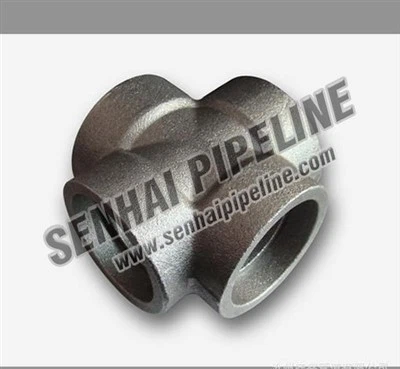
- Size and Design: Ensure that the carbon steel tee is the correct size for your piping system. An improperly sized tee can cause increased turbulence and noise. Additionally, opt for tees with smooth internal surfaces and well-designed flow paths to minimize turbulence. For example, Carbon Steel Tee products with optimized geometries can help reduce noise by promoting a more laminar flow of fluid.
- Material Quality: High-quality carbon steel tees are less likely to develop defects or irregularities that can contribute to noise. Look for tees made from reliable materials and manufactured to strict quality standards.
Installation Techniques
Proper installation of carbon steel tees is essential for noise reduction. Here are some installation tips:
- Alignment: Ensure that the tee is properly aligned with the pipes. Misaligned tees can cause uneven flow and increased turbulence, leading to noise. Use alignment tools and techniques to ensure accurate installation.
- Support and Bracing: Provide adequate support and bracing for the pipes and tees to prevent vibration. Use pipe hangers, brackets, and supports that are designed to absorb vibrations. For example, flexible hangers can help reduce the transmission of vibrations from the pipes to the surrounding structure.
- Sealing: Properly seal all joints and connections to prevent leaks. Leaks can cause additional noise and can also lead to damage to the piping system over time. Use high-quality gaskets and sealing materials and follow the manufacturer's recommendations for installation.
Noise Reduction Accessories
There are several accessories that can be used to reduce noise in a piping system with carbon steel tees:
- Silencers: Silencers are devices that are designed to reduce the noise generated by the flow of fluid through the pipes. They work by absorbing or reflecting sound waves. Install silencers near the carbon steel tees or at other strategic locations in the piping system to reduce noise levels.
- Vibration Isolators: Vibration isolators are used to separate the pipes and fittings from the surrounding structure and reduce the transmission of vibrations. They can be made of rubber, neoprene, or other materials and are typically installed between the pipe and the support or hanger.
- Expansion Joints: Expansion joints can help absorb thermal expansion and contraction of the pipes, reducing the stress on the system and preventing vibration. They can also help reduce noise by allowing the pipes to move freely without causing excessive noise.
Maintenance and Inspection
Regular maintenance and inspection of the piping system are essential for noise reduction. Here are some maintenance tips:
- Cleaning: Keep the pipes and tees clean to prevent the buildup of debris and sediment. Buildup can cause blockages and increase turbulence, leading to noise. Use appropriate cleaning methods and chemicals to remove any deposits.
- Lubrication: Lubricate moving parts, such as valves and pumps, to reduce friction and noise. Use lubricants that are compatible with the materials used in the piping system.
- Inspection: Regularly inspect the piping system for signs of damage, wear, or leaks. Replace any damaged or worn parts promptly to prevent further noise and damage to the system.
Case Studies
To illustrate the effectiveness of these noise reduction techniques, let's look at some case studies:
Case Study 1: Industrial Piping System
An industrial facility was experiencing high levels of noise in its piping system, which was causing discomfort to the workers and affecting the performance of the equipment. The facility installed Carbon Steel Tee products with optimized geometries and also added silencers and vibration isolators to the system. After the installation, the noise levels were significantly reduced, and the workers reported a more comfortable working environment.
Case Study 2: Commercial Building Piping System
A commercial building was experiencing noise issues in its plumbing system, which was disturbing the occupants. The building management replaced the old carbon steel tees with new ones that were properly sized and installed. They also added expansion joints to the system to reduce vibration. As a result, the noise levels were reduced, and the occupants were satisfied with the improvement.


Conclusion
Reducing noise in a piping system with carbon steel tees requires a comprehensive approach that includes selecting the right tee, proper installation, using noise reduction accessories, and regular maintenance and inspection. By following these guidelines, you can effectively reduce noise levels in your piping system, improve the comfort and safety of the environment, and extend the lifespan of the system.
If you're interested in purchasing high-quality carbon steel tees or need more information on noise reduction in piping systems, please feel free to contact us for procurement and further discussion. We're committed to providing you with the best products and solutions to meet your needs.
References
- "Piping System Design and Installation Guide," ASME Standards.
- "Noise Control in Piping Systems," Engineering Handbook.
- "Fluid Mechanics and Hydraulics," Textbook on Fluid Dynamics.