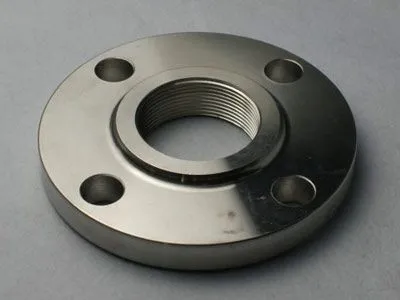
Slip On Flanges are widely used in various industrial applications due to their ease of installation and cost - effectiveness. As a Slip On Flange supplier, I've encountered numerous situations where failures occur, which can lead to costly downtime, safety hazards, and even environmental issues. In this blog, I'll share some effective strategies on how to prevent failures in Slip On Flanges.
Understanding Slip On Flanges
Before delving into failure prevention, it's essential to understand what Slip On Flanges are. A Slip On Flange is a type of flange that slides over the pipe and is then welded in place. This design allows for quick and easy installation, making it a popular choice in many industries such as oil and gas, water treatment, and chemical processing.


Common Causes of Slip On Flange Failures
- Improper Installation
- Incorrect alignment of the flange and the pipe can lead to uneven stress distribution. If the flange is not properly centered on the pipe, it can cause excessive stress on one side, leading to premature failure.
- Inadequate welding is another common issue. Poor welding techniques, such as insufficient penetration or lack of proper pre - heating, can result in weak weld joints. These weak joints are more likely to crack under pressure.
- Corrosion
- Slip On Flanges are often exposed to harsh environments. In industries like oil and gas, they may come into contact with corrosive substances such as saltwater, acids, and alkalis. Corrosion can gradually weaken the flange material, reducing its strength and integrity.
- Galvanic corrosion can also occur when two different metals are in contact in the presence of an electrolyte. For example, if a steel flange is connected to a copper pipe without proper insulation, galvanic corrosion can take place.
- Over - Pressure and Over - Temperature
- Operating the system beyond the flange's rated pressure and temperature can cause failures. Flanges are designed to withstand specific pressure and temperature ranges. Exceeding these limits can lead to deformation, cracking, or even complete failure of the flange.
- Sudden pressure surges or temperature spikes can also put additional stress on the flange, increasing the risk of failure.
Preventive Measures
1. Proper Installation
- Alignment
- Use alignment tools such as flange alignment guides to ensure that the flange is perfectly centered on the pipe. This will help distribute the stress evenly across the flange and the weld joint.
- Before welding, double - check the alignment to make sure there are no misalignments. Even a small misalignment can cause significant problems over time.
- Welding
- Employ qualified welders who are trained in welding Slip On Flanges. They should follow the appropriate welding procedures and standards.
- Pre - heat the flange and the pipe according to the material specifications. This helps reduce the risk of cracking during the welding process.
- Perform non - destructive testing (NDT) on the weld joints, such as ultrasonic testing or magnetic particle testing, to detect any internal defects.
2. Corrosion Prevention
- Material Selection
- Choose the right material for the flange based on the operating environment. For example, in a highly corrosive environment, stainless steel or alloy flanges may be more suitable than carbon steel flanges.
- Consider using coated flanges. Coatings such as epoxy or zinc can provide an additional layer of protection against corrosion.
- Cathodic Protection
- In some cases, cathodic protection can be used to prevent corrosion. This involves connecting the flange to a sacrificial anode or using an impressed current system to make the flange the cathode in an electrochemical cell, thus preventing corrosion.
3. Pressure and Temperature Management
- System Design
- Ensure that the system is designed to operate within the flange's rated pressure and temperature limits. Conduct a thorough analysis of the system to determine the maximum pressure and temperature that the flanges will be exposed to.
- Install pressure and temperature sensors in the system to monitor the operating conditions. These sensors can provide early warnings if the conditions approach or exceed the flange's limits.
- Surge Protection
- Install surge arrestors or pressure relief valves in the system to protect the flanges from sudden pressure surges. These devices can help maintain a stable pressure in the system and prevent damage to the flanges.
Quality Assurance and Inspection
- Regular Inspections
- Establish a regular inspection schedule for the Slip On Flanges. Inspections can include visual inspections for signs of corrosion, cracking, or deformation.
- Use advanced inspection techniques such as ultrasonic thickness testing to monitor the thickness of the flange over time. A decrease in thickness can indicate corrosion or wear.
- Quality Control in Manufacturing
- As a Slip On Flange supplier, we implement strict quality control measures during the manufacturing process. We ensure that the raw materials meet the required standards and that the manufacturing processes are carried out with precision.
- All our flanges are tested for dimensional accuracy, material properties, and weld quality before they are shipped to the customers.
Compatibility with Other Components
- Pipe Compatibility
- Ensure that the Slip On Flanges are compatible with the pipes they are connected to. This includes considering factors such as material compatibility, size, and pressure ratings.
- For example, if you are using a Large Size Spiral Welded Pipe, make sure that the flange has the appropriate dimensions and strength to match the pipe.
- Gasket Selection
- Choose the right gasket for the flange connection. The gasket should be able to withstand the pressure, temperature, and chemical environment of the system.
- Incorrect gasket selection can lead to leaks, which can cause failures in the long run. For example, if the system is handling high - temperature fluids, a gasket made of a high - temperature - resistant material such as graphite or ceramic fiber should be used.
Training and Education
- Operator Training
- Provide training to the operators who will be working with the Slip On Flanges. They should understand the proper installation, operation, and maintenance procedures.
- Training can also include how to recognize the signs of potential failures and what actions to take in case of an emergency.
- Industry Knowledge Sharing
- Stay updated with the latest industry standards and best practices. Participate in industry conferences and seminars to learn about new technologies and techniques for preventing flange failures.
Conclusion
Preventing failures in Slip On Flanges requires a comprehensive approach that includes proper installation, corrosion prevention, pressure and temperature management, quality assurance, compatibility with other components, and training. As a Slip On Flange supplier, we are committed to providing high - quality products and sharing our expertise to help our customers avoid flange failures.
If you are in need of Slip On Flanges or have any questions regarding their installation, maintenance, or failure prevention, please feel free to contact us for a detailed discussion and procurement. We have a wide range of Slip On Flanges suitable for different applications, and we can also provide customized solutions based on your specific requirements.
References
- ASME B16.5 - Standard for Pipe Flanges and Flanged Fittings
- API 6A - Specification for Wellhead and Christmas Tree Equipment
- NACE International - Corrosion Standards and Publications