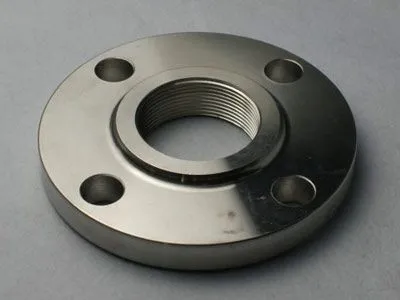
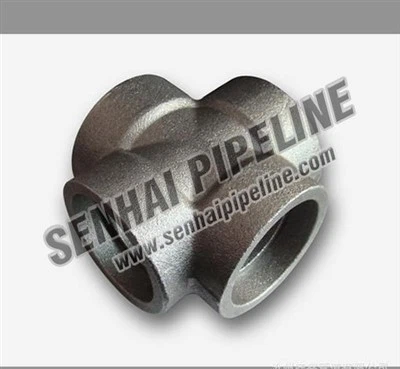
As a supplier of BW (Butt Weld) fittings, I understand the importance of maintaining these crucial components to ensure their longevity and optimal performance. BW fittings are widely used in various industries, including oil and gas, chemical, and power generation, to connect pipes and form a secure and leak - free pipeline system. In this blog, I will share some essential tips on how to maintain BW fittings.
Regular Inspection
One of the most important aspects of maintaining BW fittings is regular inspection. Visual inspection should be carried out frequently to check for any signs of damage, corrosion, or wear. Look for cracks, dents, or any other physical defects on the surface of the fittings. Cracks can be a serious issue as they can lead to leaks and potentially dangerous situations.
Inspect the weld joints carefully. Any signs of weld cracking, porosity, or incomplete fusion should be addressed immediately. These weld defects can compromise the integrity of the connection and increase the risk of failure. Non - destructive testing methods such as ultrasonic testing (UT), magnetic particle testing (MT), or liquid penetrant testing (PT) can be used to detect internal defects that may not be visible to the naked eye.
Check the alignment of the fittings. Misaligned fittings can cause stress concentrations, which can lead to premature failure. Make sure that the pipes and fittings are properly aligned during installation and that there are no excessive forces acting on the joints.
Corrosion Prevention
Corrosion is one of the biggest enemies of BW fittings. It can weaken the material, reduce the wall thickness, and eventually lead to leaks. Therefore, it is crucial to implement effective corrosion prevention measures.
First, choose the right material for your application. Different materials have different corrosion resistance properties. For example, Carbon Steel Fittings are commonly used, but they are more susceptible to corrosion compared to stainless steel fittings. If your pipeline is exposed to a corrosive environment, consider using stainless steel or other corrosion - resistant alloys.

Apply a protective coating to the fittings. There are various types of coatings available, such as epoxy coatings, zinc coatings, and polyethylene coatings. These coatings can act as a barrier between the fitting and the corrosive environment, preventing direct contact and reducing the risk of corrosion.

Maintain the proper pH level and chemical composition of the fluid flowing through the pipeline. Some fluids can be corrosive to the fittings, especially if they are acidic or contain high levels of certain chemicals. Regularly monitor the fluid properties and take appropriate measures to adjust them if necessary.
Cleaning and Maintenance
Proper cleaning and maintenance can also help extend the life of BW fittings. Keep the fittings clean by removing any dirt, debris, or scale that may accumulate on the surface. This can be done using a mild detergent and a soft brush. Avoid using abrasive cleaners or tools that can scratch the surface of the fittings, as scratches can provide a starting point for corrosion.
Lubricate the moving parts of the fittings, if applicable. Some BW fittings, such as valves, may have moving components that require lubrication to operate smoothly. Use a suitable lubricant recommended by the manufacturer to prevent friction and wear.
Tighten the bolts and nuts regularly. Over time, the bolts and nuts on the fittings may loosen due to vibration or thermal expansion and contraction. Loose connections can lead to leaks, so it is important to check and tighten them periodically. However, be careful not to over - tighten, as this can damage the fittings.
Temperature and Pressure Management
BW fittings are designed to operate within specific temperature and pressure ranges. Exceeding these limits can cause the fittings to fail prematurely. Therefore, it is essential to monitor and control the temperature and pressure of the pipeline system.
Install pressure and temperature sensors at strategic locations in the pipeline to continuously monitor these parameters. If the temperature or pressure exceeds the recommended limits, take immediate action to adjust the operating conditions. This may involve reducing the flow rate, adjusting the heating or cooling system, or shutting down the pipeline temporarily.
Insulate the fittings if they are exposed to extreme temperatures. Insulation can help maintain a stable temperature and prevent thermal stress, which can cause the fittings to crack or deform.

Training and Documentation
Proper training of the personnel involved in the installation, operation, and maintenance of BW fittings is crucial. Ensure that your employees are well - trained in the correct procedures for handling, installing, and maintaining the fittings. They should be aware of the potential hazards and safety precautions associated with BW fittings.
Keep detailed documentation of all maintenance activities. This includes inspection reports, repair records, and any other relevant information. Documentation can help you track the history of the fittings, identify any recurring issues, and plan for future maintenance.
Conclusion
Maintaining BW fittings is a critical task that requires regular inspection, corrosion prevention, proper cleaning, temperature and pressure management, and adequate training and documentation. By following these tips, you can ensure the longevity and optimal performance of your BW fittings, reducing the risk of leaks, failures, and costly downtime.
If you are in the market for high - quality BW fittings or need further advice on their maintenance, please feel free to contact us. Our team of experts is ready to assist you with your procurement needs and provide you with the best solutions for your pipeline systems.
References
- ASME B31.3 Process Piping Code
- API 5L Specification for Line Pipe
- NACE International Standards for Corrosion Control