Hey there! I'm a supplier of Blind Flanges, and I'm super stoked to share some tips on how to maintain these nifty pieces of equipment. Blind flanges are essential in various industries, from oil and gas to water treatment, and keeping them in top - notch condition is crucial for smooth operations.


Understanding Blind Flanges
First off, let's quickly go over what a blind flange is. A Blind Flange is a solid disk used to close the end of a pipe, valve, or vessel. It doesn't have a bore in the middle, unlike other types of flanges. This simple yet effective design helps in isolating sections of a piping system for maintenance, inspection, or to prevent the flow of fluids.
Inspection
Regular inspection is the cornerstone of blind flange maintenance. You should start by visually checking the flange for any signs of damage. Look for cracks, dents, or corrosion. Cracks can be a real headache as they can lead to leaks over time, and in high - pressure systems, this can be extremely dangerous.
Corrosion is another biggie. It can eat away at the metal, weakening the flange. Check for rust, especially in areas that are exposed to moisture or harsh chemicals. If you notice any signs of corrosion, it's important to address it right away. You can use a wire brush to remove loose rust and then apply a rust - inhibiting primer.
Also, make sure to inspect the gasket surface. The gasket is what seals the flange connection, and any damage to the surface can cause leaks. Look for scratches, nicks, or uneven wear. If the surface is damaged, you might need to resurface it or replace the flange altogether.
Cleaning
Cleaning your blind flanges is also super important. Over time, dirt, debris, and chemical residues can build up on the surface of the flange. This can not only cause corrosion but also interfere with the proper sealing of the gasket.
To clean a blind flange, you can use a mild detergent and warm water. Scrub the surface gently with a soft brush to remove any dirt or grime. Rinse it thoroughly and dry it completely. For stubborn stains or chemical residues, you might need to use a specialized cleaner. Just make sure to follow the manufacturer's instructions when using any cleaning products.
Lubrication
Lubrication plays a key role in the maintenance of blind flanges, especially when it comes to the bolts. The bolts are what hold the flange connection together, and proper lubrication can prevent them from seizing up or corroding.
You can use a high - quality anti - seize compound on the bolt threads before tightening them. This will make it easier to remove the bolts during maintenance and also protect them from corrosion. Make sure to apply the lubricant evenly on all the threads.
Storage
If you have spare blind flanges that are not in use, proper storage is essential. Store them in a dry, clean place away from direct sunlight and moisture. You can cover them with a protective coating or wrap them in a plastic sheet to prevent corrosion.
Also, make sure to stack them properly to avoid any damage. Don't stack them too high, as this can cause the bottom flanges to deform. If possible, store them on a rack or a pallet to keep them off the ground.
Comparison with Other Flanges
It's interesting to compare blind flanges with other types of flanges, like Carbon Steel Threaded Flange and Long Welding Neck Flange.
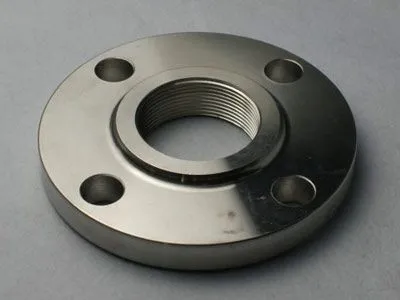
Carbon Steel Threaded Flanges are connected to the pipe by screwing them on. They are relatively easy to install and remove, but they might not be as suitable for high - pressure applications as blind flanges. Maintenance of threaded flanges mainly involves checking the threads for damage and ensuring a proper seal.
Long Welding Neck Flanges, on the other hand, are welded to the pipe. They offer excellent strength and are often used in high - pressure and high - temperature applications. However, their maintenance is more complex as any damage might require welding repairs. Blind flanges, with their simple design, are generally easier to maintain in terms of installation and removal, but still need proper care to ensure long - term performance.
Importance of Maintenance
Maintaining your blind flanges is not just about keeping them in good condition; it's also about ensuring the safety and efficiency of your entire piping system. A poorly maintained flange can lead to leaks, which can result in loss of fluids, environmental contamination, and even accidents.
Regular maintenance can also extend the lifespan of your blind flanges. By catching and fixing problems early, you can avoid costly replacements and keep your operations running smoothly.
Final Thoughts
Well, there you have it! These are some of the key tips on how to maintain a blind flange. Remember, regular inspection, cleaning, lubrication, and proper storage are all essential for keeping your flanges in top shape.
If you're in the market for high - quality blind flanges or have any questions about their maintenance, don't hesitate to reach out. I'm here to help you find the best solutions for your needs. Whether you're a small business or a large industrial operation, I've got the right products and expertise to support you.
Let's work together to ensure your piping systems are safe, efficient, and reliable. Feel free to contact me for more information or to start a procurement discussion. I'm looking forward to hearing from you!
References
- ASME B16.5 - Standard for Pipe Flanges and Flanged Fittings
- API 6A - Specification for Wellhead and Christmas Tree Equipment