As a supplier of carbon steel tees, I've seen firsthand how the wall thickness of these fittings can have a huge impact on their performance. In this blog post, I'll share some insights on how wall thickness affects carbon steel tees, based on my years of experience in the industry.
Understanding Carbon Steel Tees
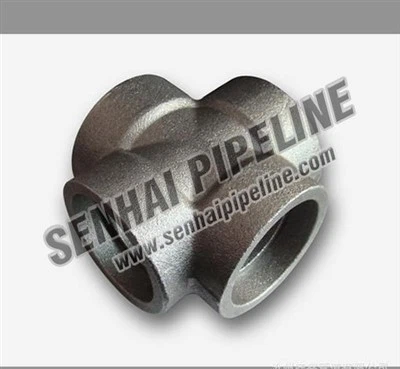
First off, let's quickly go over what carbon steel tees are. They're pipe fittings shaped like the letter "T" and are used to connect pipes at a 90 - degree angle. Carbon steel is a popular choice for these tees because it's strong, durable, and can handle a wide range of temperatures and pressures. You can find them in all sorts of industries, like oil and gas, water treatment, and construction.
The Role of Wall Thickness
Wall thickness is a crucial factor when it comes to the performance of carbon steel tees. It's measured in inches or millimeters and can vary depending on the application. Here's how different wall thicknesses can affect various aspects of a tee's performance:
Pressure Resistance
One of the most important things the wall thickness affects is the tee's ability to withstand pressure. A thicker - walled carbon steel tee can handle higher pressures without deforming or bursting. In high - pressure applications, like oil pipelines or industrial steam systems, a tee with a thin wall might not be able to handle the stress. For example, if you're working with a pipeline that has a high internal pressure, a tee with a thicker wall will be less likely to fail. This is because the extra material provides more strength and support to resist the force exerted by the fluid or gas inside the pipe.
Flow Capacity
Wall thickness also has an impact on the flow capacity of the tee. A thicker wall reduces the internal diameter of the tee, which can restrict the flow of fluid or gas. In applications where a high flow rate is required, like in large - scale water distribution systems, a thinner - walled tee might be a better choice. However, it's a balancing act. You can't just go for the thinnest wall possible because you still need to ensure that the tee can handle the pressure.
Durability and Longevity
Thicker - walled carbon steel tees tend to be more durable and have a longer lifespan. They're better able to resist wear and tear, corrosion, and external damage. In harsh environments, such as offshore oil rigs or chemical plants, where the tees are exposed to corrosive substances or rough handling, a thicker wall provides an extra layer of protection. For instance, in a saltwater environment, the corrosion rate can be quite high. A thicker - walled tee will take longer to corrode through, reducing the need for frequent replacements.
Cost
Cost is another aspect affected by wall thickness. Thicker - walled tees generally cost more because they require more raw material and more processing time. As a supplier, I often have customers who are looking for the most cost - effective solution. In some cases, they might be able to get away with a thinner - walled tee if the application doesn't require extremely high pressure resistance or long - term durability. But in other situations, the extra cost of a thicker - walled tee is worth it to ensure the safety and reliability of the system.
Selecting the Right Wall Thickness
So, how do you choose the right wall thickness for your carbon steel tee? Well, it depends on several factors:
Application Requirements
First and foremost, you need to consider the application. If it's a high - pressure system, you'll likely need a thicker - walled tee. On the other hand, if it's a low - pressure, low - flow application, a thinner - walled tee might be sufficient. For example, in a residential plumbing system, the pressure is relatively low, so a thinner - walled tee can be used.
Industry Standards
There are also industry standards that you need to follow. Different industries have specific requirements for the wall thickness of pipe fittings. For example, the American Society of Mechanical Engineers (ASME) has standards for carbon steel tees used in various applications. Make sure you're familiar with these standards and choose a tee that meets them.
Budget
Your budget is also an important consideration. You need to balance the cost of the tee with its performance requirements. Sometimes, you might be able to find a tee with a slightly thinner wall that still meets your needs at a lower cost.
Related Products
If you're in the market for other pipe fittings along with carbon steel tees, we also offer Carbon Steel Reducers, which are used to connect pipes of different diameters. And for those projects that require bends in the pipeline, our Hot Induction Bends are a great option. Of course, we have a wide range of Carbon Steel Fittings to meet all your piping needs.
Conclusion
In conclusion, the wall thickness of a carbon steel tee plays a vital role in its performance. It affects pressure resistance, flow capacity, durability, and cost. As a supplier, I always recommend carefully evaluating your application requirements, industry standards, and budget when choosing the right wall thickness. Whether you need a thick - walled tee for a high - pressure system or a thin - walled one for a low - flow application, we've got you covered.


If you're interested in purchasing carbon steel tees or any of our other pipe fittings, don't hesitate to reach out. We're here to help you find the perfect solution for your project.
References
- ASME Standards for Pipe Fittings
- Industry Reports on Carbon Steel Pipe Fittings
- Engineering Handbooks on Fluid Mechanics and Pipe Design