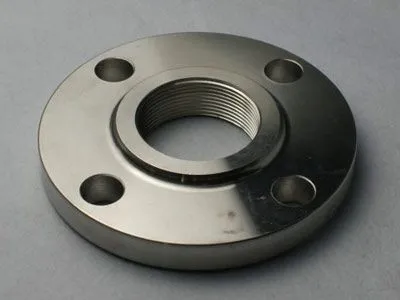
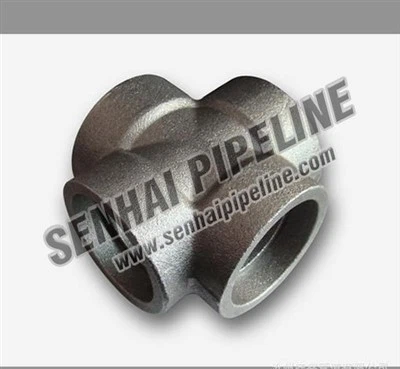
Hey there! I'm a supplier for the Union, and I've been keeping a close eye on how the European Union tackles environmental issues. It's a topic that not only affects the future of our planet but also has a direct impact on businesses like mine. So, let's dive into it!
The European Union has been at the forefront of environmental protection for quite some time. They've set up a bunch of policies and initiatives to deal with different environmental problems, from climate change to pollution and biodiversity loss.
One of the EU's main goals is to cut down on greenhouse gas emissions. They've come up with the European Green Deal, which is like a big plan to make the EU climate - neutral by 2050. This deal includes a whole bunch of measures. For example, they're promoting the use of renewable energy sources. Solar, wind, and hydro - power are getting more and more attention. The EU wants to increase the share of renewable energy in its total energy consumption. This means that more and more power plants are being built to harness these clean energy sources.
As a Union supplier, I've seen how this shift to renewable energy affects my business. We're starting to get more orders for products that are used in renewable energy projects. For instance, Socket Welded Olets are often used in the construction of pipelines for transporting energy in these projects. The demand for these products is rising as the renewable energy sector grows.
Another important aspect of the EU's environmental efforts is dealing with waste management. The EU has strict regulations on waste recycling and disposal. They want to reduce the amount of waste that goes to landfills and increase the recycling rate. For example, they've set up rules for different types of waste, like electronic waste and plastic waste.
This waste management policy also has an impact on my business. We have to make sure that our production processes are in line with these regulations. We're trying to reduce the amount of waste we generate during production and recycle as much as possible. And when it comes to the products we supply, like Union, we need to ensure that they can be recycled at the end of their life cycle.
Biodiversity conservation is also a key part of the EU's environmental strategy. The EU has established a network of protected areas across its member states. These areas are home to a wide variety of plants and animals. The goal is to protect these species and their habitats from human activities like deforestation and urban expansion.
In my line of work, I understand that biodiversity conservation can sometimes conflict with business interests. But the EU is trying to find a balance. For example, they're promoting sustainable forestry practices. This way, we can still use forest resources while also protecting the environment. And as a supplier, we need to make sure that the materials we use in our products, like the steel in Carbon Steel Nipples, are sourced in an environmentally friendly way.
The EU also uses economic tools to encourage environmental protection. One of these tools is the Emissions Trading System (ETS). This system puts a cap on the amount of greenhouse gas emissions that certain industries can produce. Companies that emit less than their allotted amount can sell their surplus allowances, while those that exceed the limit have to buy more allowances. This creates an economic incentive for companies to reduce their emissions.
As a supplier, we need to be aware of these economic policies. Our customers, who are often part of these regulated industries, may be more interested in products that can help them reduce their emissions. So, we're constantly looking for ways to improve the environmental performance of our products.
The EU also invests a lot in environmental research and innovation. They fund projects that aim to develop new technologies for environmental protection. For example, research is being done on more efficient ways to capture and store carbon dioxide. These new technologies could have a huge impact on the fight against climate change.
In my business, I see the potential of these new technologies. We might be able to use some of these innovations in our production processes to make them more environmentally friendly. And as the demand for green products grows, we can offer more sustainable solutions to our customers.
However, implementing these environmental policies isn't always easy. There are challenges at every step. For example, some member states may have different levels of economic development, which means they may face different difficulties in meeting the EU's environmental targets. And there can be resistance from some industries that are used to the old ways of doing things.
But overall, I think the EU's efforts in environmental protection are really important. They're setting an example for the rest of the world. And as a supplier, I'm proud to be part of this movement.
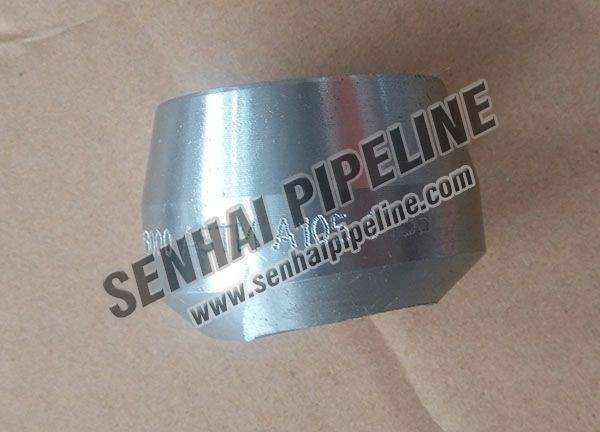

If you're interested in our products, such as Socket Welded Olets, Union, or Carbon Steel Nipples, and want to discuss potential procurement opportunities, feel free to reach out. We're always looking for new partners and are ready to provide high - quality, environmentally friendly products.
References
- European Commission. (2023). European Green Deal.
- European Environment Agency. (2023). Waste management in the EU.
- European Commission. (2023). Emissions Trading System.