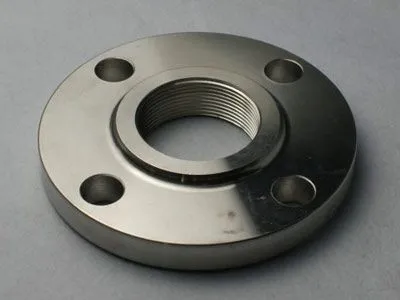
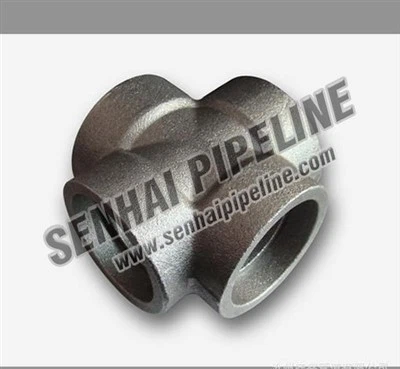
Hey there! As a flange supplier, I've seen firsthand how crucial flanges are in a valve system. In this blog, I'm gonna break down how flanges are used in a valve system, sharing some insights from my years in the industry.
What Are Flanges Anyway?
First things first, let's quickly go over what flanges are. Flanges are flat, circular discs with holes around the perimeter. They're used to connect pipes, valves, pumps, and other equipment to form a piping system. Flanges provide easy access for cleaning, inspection, and modification of the system. There are different types of flanges, each with its own unique features and applications. Some common types include Carbon Steel Plate Flange, Lap Joint Flange, and Welding Neck Flange.
The Role of Flanges in a Valve System
1. Connection and Sealing
One of the primary functions of flanges in a valve system is to provide a secure connection between the valve and the pipes. When a valve is installed in a piping system, flanges are used to join the valve to the adjacent pipes. The flanges are bolted together, creating a tight seal that prevents leaks. This is super important, especially when dealing with fluids or gases under high pressure or temperature.
For example, in a water treatment plant, valves are used to control the flow of water. Flanges ensure that the valves are properly connected to the pipes, preventing any water leakage that could lead to inefficiencies or even damage to the equipment. The quality of the flange connection can significantly impact the overall performance and safety of the valve system.
2. Alignment and Support
Flanges also play a crucial role in aligning the valve with the pipes. Proper alignment is essential for the smooth operation of the valve. If the valve is not properly aligned, it can cause uneven stress on the valve components, leading to premature wear and tear. Flanges help to ensure that the valve is correctly positioned and aligned with the pipes, reducing the risk of mechanical problems.
In addition to alignment, flanges provide support for the valve. Valves can be quite heavy, especially large industrial valves. Flanges distribute the weight of the valve evenly across the piping system, preventing excessive stress on any one part of the pipe. This helps to extend the lifespan of the valve and the pipes.
3. Easy Maintenance and Replacement
Another advantage of using flanges in a valve system is that they make maintenance and replacement of the valve much easier. When a valve needs to be serviced or replaced, the bolts holding the flanges together can be easily removed. This allows the valve to be quickly detached from the pipes without having to cut or weld the pipes.
For instance, in a chemical processing plant, valves may need to be replaced periodically due to corrosion or wear. With flanges, the old valve can be removed and a new one installed in a relatively short amount of time, minimizing downtime and reducing production losses.
Different Types of Flanges and Their Applications in Valve Systems
1. Carbon Steel Plate Flange
Carbon Steel Plate Flange is a popular choice in valve systems, especially in industrial applications. Carbon steel is known for its strength and durability, making it suitable for high-pressure and high-temperature environments. These flanges are typically used in applications where the valve needs to withstand harsh conditions, such as in oil and gas pipelines or power plants.
Carbon steel plate flanges are easy to install and can be used with a variety of valve types. They are also relatively cost-effective compared to other types of flanges, making them a practical choice for many industries.
2. Lap Joint Flange
Lap Joint Flange is another type of flange commonly used in valve systems. Lap joint flanges are unique because they consist of two parts: a loose flange and a stub end. The loose flange can rotate freely around the stub end, which makes it easier to align the bolts during installation.
Lap joint flanges are often used in applications where frequent disassembly and reassembly of the valve are required. For example, in a food processing plant, valves may need to be cleaned regularly to meet hygiene standards. Lap joint flanges allow for quick and easy removal of the valve for cleaning or maintenance.
3. Welding Neck Flange
Welding Neck Flange is a type of flange that is welded to the pipe. This type of flange provides a strong and permanent connection between the valve and the pipe. Welding neck flanges are commonly used in high-pressure and high-temperature applications, such as in chemical refineries or power generation plants.
The long neck of the welding neck flange helps to reduce stress concentration at the weld joint, making it more resistant to fatigue and cracking. This makes welding neck flanges a reliable choice for critical valve applications where safety and durability are of utmost importance.
Considerations When Choosing Flanges for a Valve System
When selecting flanges for a valve system, there are several factors to consider.
1. Pressure and Temperature Ratings
The pressure and temperature ratings of the flanges must be compatible with the operating conditions of the valve system. Flanges are designed to withstand specific pressure and temperature ranges. Using flanges with inadequate ratings can lead to leaks or even catastrophic failures.
For example, if a valve system operates at high pressure and high temperature, flanges with high-pressure and high-temperature ratings, such as welding neck flanges, should be used.
2. Material Compatibility
The material of the flanges must be compatible with the fluid or gas being transported in the valve system. Different materials have different chemical resistance properties. For example, if the valve system is used to transport corrosive chemicals, flanges made of corrosion-resistant materials, such as stainless steel or alloy steel, should be used.
3. Size and Dimensions
The size and dimensions of the flanges must match the size of the valve and the pipes. Using flanges that are too large or too small can cause alignment problems and leaks. It's important to ensure that the flanges have the correct bolt hole pattern, flange face type, and diameter to fit the valve and the pipes properly.
Conclusion
In conclusion, flanges are an essential component of a valve system. They provide a secure connection, alignment, support, and easy maintenance for the valve. Different types of flanges, such as Carbon Steel Plate Flange, Lap Joint Flange, and Welding Neck Flange, offer unique advantages and are suitable for different applications.
When choosing flanges for a valve system, it's important to consider factors such as pressure and temperature ratings, material compatibility, and size and dimensions. By selecting the right flanges, you can ensure the reliable and efficient operation of your valve system.
If you're in the market for high-quality flanges for your valve system, I'd love to have a chat with you. We have a wide range of flanges to meet your specific needs. Don't hesitate to reach out and start a conversation about your requirements. I'm here to help you find the best flange solutions for your valve system.


References
- ASME B16.5 - Pipe Flanges and Flanged Fittings
- API 605 - Large Diameter Carbon Steel Flanges
- ISO 7005 - Metallic Flanges for General Use and Steam Service