Hey there! As a supplier of Swage Nipples, I often get asked whether these little guys need to be sealed during installation. It's a question that's been on the minds of many in the industry, and today, I'm gonna break it down for you.
First off, let's talk about what Swage Nipples are. They're basically pipe fittings used to connect pipes of different sizes. They come in handy when you need to transition from a larger pipe to a smaller one or vice versa. They're commonly used in various industries, including oil and gas, chemical processing, and plumbing.
Now, the big question: do they need to be sealed? Well, it depends on a few factors. One of the main factors is the type of fluid or gas that will be flowing through the pipes. If you're dealing with a highly corrosive or toxic substance, then sealing the Swage Nipples is a must. A proper seal will prevent any leaks, which could not only be dangerous but also cause damage to the surrounding environment.
For example, in the oil and gas industry, where pipelines carry flammable and volatile substances, a leak can lead to catastrophic consequences. A well - sealed Swage Nipple ensures that these substances stay within the pipeline, reducing the risk of fires, explosions, and environmental pollution.
Another factor to consider is the pressure and temperature of the system. High - pressure systems require a tight seal to prevent the fluid or gas from escaping. If the pressure is too high and the Swage Nipple isn't sealed properly, it can lead to a sudden release of pressure, which can damage the pipes and other components in the system. Similarly, extreme temperatures can affect the integrity of the connection. In high - temperature environments, the materials can expand and contract, and a seal helps to maintain the connection's stability.
Let's take a look at the different sealing methods available. One common method is using thread sealants. These are compounds that are applied to the threads of the Swage Nipple before installation. They fill in the gaps between the threads, creating a tight seal. Thread sealants come in different types, such as PTFE (polytetrafluoroethylene) tape and liquid sealants. PTFE tape is easy to use; you just wrap it around the threads a few times. Liquid sealants, on the other hand, can provide a more consistent and durable seal, especially in high - pressure applications.
Another option is using gaskets. Gaskets are flat, flexible materials that are placed between the mating surfaces of the Swage Nipple and the pipe. They act as a barrier, preventing leaks. Gaskets can be made from various materials, such as rubber, metal, or a combination of both. The choice of gasket material depends on the application. For example, rubber gaskets are suitable for low - pressure and low - temperature applications, while metal gaskets are better for high - pressure and high - temperature systems.
Now, I know some of you might be thinking, "Do I really need to go through all this trouble?" Well, think about the long - term benefits. A properly sealed Swage Nipple can save you a lot of money in the long run. It reduces the risk of leaks, which means less maintenance, fewer repairs, and lower replacement costs. It also improves the overall efficiency of the system, as there's no loss of fluid or gas due to leaks.


As a Swage Nipple supplier, I've seen firsthand the importance of proper sealing. I've worked with customers who've had issues with leaks because they didn't seal their fittings correctly. It's always a hassle to go back and fix these problems, and it can cause delays in the project.
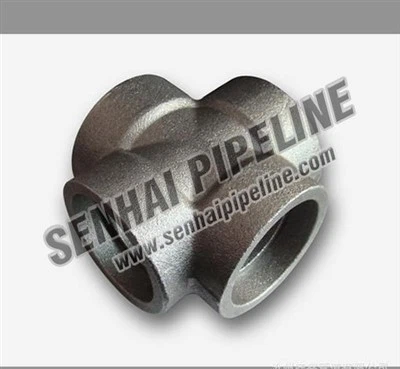
If you're in the market for other pipe fittings, we also offer a wide range of products. Check out our Socket Welded Equal Tee, Socket Welded Olets, and Carbon Steel Forged Cross. These are high - quality fittings that are designed to meet the needs of various industries.
In conclusion, while it might not always be necessary to seal Swage Nipples, in most cases, it's a good idea to do so. The benefits of proper sealing far outweigh the extra effort and cost. It ensures the safety, efficiency, and longevity of your piping system.
If you're interested in purchasing Swage Nipples or any of our other pipe fittings, don't hesitate to reach out. We're here to help you find the right products for your needs and provide you with all the support you need during the installation process. Let's work together to build reliable and efficient piping systems.
References:
- Industry standards and guidelines for pipe fitting installation
- Technical manuals from pipe fitting manufacturers
- Case studies on pipe fitting failures and solutions