When it comes to BW (Butt Weld) fittings, one of the crucial factors that often concerns customers is colorfastness. As a supplier of BW fittings, I've had numerous discussions with clients about this very topic. In this blog, I'll delve into the concept of colorfastness in BW fittings, explore the factors that influence it, and share insights on whether BW fittings generally have good colorfastness.
Understanding Colorfastness in BW Fittings
Colorfastness refers to the ability of a material to retain its color when exposed to various environmental conditions, such as light, heat, moisture, and chemicals. In the context of BW fittings, colorfastness is important not only for aesthetic reasons but also as an indicator of the fittings' overall quality and durability.
The color of BW fittings can be affected by several factors. First, the base material of the fittings plays a significant role. For example, carbon steel BW fittings, which are widely used in many industries, have a natural color that can change over time. The surface treatment of the fittings also impacts colorfastness. Coatings, platings, or finishes applied to the fittings can enhance their resistance to color change.
Factors Affecting Colorfastness
1. Material Composition
The composition of the metal used in BW fittings is a fundamental factor. Different metals and alloys have different chemical properties that determine their reactivity to environmental elements. Carbon steel, for instance, is prone to oxidation, which can lead to rust and a change in color. Stainless steel, on the other hand, contains chromium, which forms a passive oxide layer on the surface, providing better resistance to corrosion and color change.
2. Surface Treatment
Surface treatments such as galvanizing, painting, or powder coating can significantly improve the colorfastness of BW fittings. Galvanizing involves coating the fittings with a layer of zinc, which acts as a sacrificial anode, protecting the underlying metal from corrosion. Painting and powder coating provide a barrier between the metal and the environment, preventing direct contact with moisture, chemicals, and UV rays.
3. Environmental Conditions
The environment in which the BW fittings are installed has a major impact on their colorfastness. Fittings exposed to harsh conditions, such as high humidity, saltwater, or industrial pollutants, are more likely to experience color change. UV radiation from sunlight can also cause fading or discoloration, especially in painted or coated fittings.
Assessing Colorfastness in BW Fittings
As a supplier, we conduct various tests to assess the colorfastness of our BW fittings. These tests simulate real - world conditions to ensure that the fittings meet the required standards.
Accelerated Aging Tests
We use accelerated aging tests to simulate long - term exposure to environmental factors in a short period. For example, the fittings are placed in chambers where they are exposed to high temperatures, humidity, and UV radiation. After a certain period, the color change of the fittings is measured using colorimeters or visual inspection.
Salt Spray Tests
Salt spray tests are commonly used to evaluate the corrosion resistance and colorfastness of BW fittings. The fittings are placed in a chamber where a saltwater mist is sprayed onto the surface. This test mimics the corrosive effects of saltwater environments, such as coastal areas or marine applications. By observing the formation of rust or color change on the fittings, we can determine their resistance to corrosion and color degradation.
Do BW Fittings Have Good Colorfastness?
The answer to whether BW fittings have good colorfastness depends on several factors. In general, if the fittings are made from high - quality materials and undergo proper surface treatment, they can have excellent colorfastness.
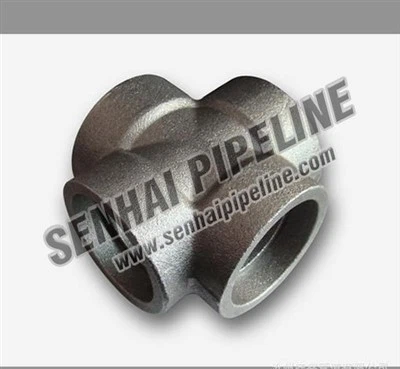
For example, our Carbon Steel Caps are made from high - grade carbon steel and are often galvanized or painted to enhance their colorfastness. In normal environmental conditions, these caps can maintain their color for an extended period. Similarly, our Pipe Fittings Cross and Carbon Steel Reducers are designed and treated to resist color change.
However, it's important to note that no fitting is completely immune to color change over time. Even with the best materials and treatments, extreme environmental conditions can still cause some degree of color degradation. But with proper selection and maintenance, the colorfastness of BW fittings can be optimized.


Maintaining Colorfastness
To ensure the long - term colorfastness of BW fittings, proper maintenance is essential. Here are some tips:
- Regular Cleaning: Clean the fittings regularly to remove dirt, dust, and other contaminants that can accelerate corrosion and color change.
- Inspection: Periodically inspect the fittings for signs of rust, peeling paint, or color change. If any issues are detected, take appropriate measures, such as touch - up painting or replacement.
- Avoid Harsh Chemicals: When cleaning the fittings, avoid using harsh chemicals that can damage the surface treatment and affect colorfastness.
Conclusion
In conclusion, BW fittings can have good colorfastness if they are made from high - quality materials and undergo proper surface treatment. As a supplier, we are committed to providing BW fittings that meet the highest standards of colorfastness. Our Carbon Steel Caps, Pipe Fittings Cross, and Carbon Steel Reducers are carefully tested and treated to ensure their durability and color retention.
If you are in the market for BW fittings and have concerns about colorfastness, we invite you to contact us for more information. Our team of experts can provide you with detailed product specifications and advice on the best fittings for your specific application. We look forward to discussing your requirements and working with you to find the perfect solutions.
References
- ASTM International. (2023). Standard test methods for evaluating the colorfastness of metals and alloys.
- ISO. (2022). International standards for corrosion resistance and colorfastness testing of metal products.