As a supplier of round steel pipes, I've encountered numerous inquiries regarding the suitability of our products in high - temperature environments. This topic is of utmost importance, especially for industries such as power generation, petrochemicals, and metallurgy, where extreme temperatures are a common operating condition. In this blog, I'll delve into the factors that determine whether round steel pipes can be used in high - temperature settings and provide insights based on our experience and industry knowledge.
Understanding the Basics of Round Steel Pipes
Round steel pipes are widely used in various applications due to their excellent strength, durability, and versatility. They come in different types, including seamless pipes, welded pipes, and ERW Pipes [/round-steel-pipes/erw-pipes.html]. Each type has its own manufacturing process and characteristics, which can influence its performance in high - temperature environments.
Seamless round steel pipes are made by piercing a solid billet to form a hollow tube. This process results in a pipe with a uniform structure and no weld seam, which can enhance its strength and integrity. Welded pipes, on the other hand, are made by joining two or more pieces of steel together using welding techniques. The weld seam can be a potential weak point, especially in high - temperature applications where thermal stresses can cause the weld to fail.
Factors Affecting the Performance of Round Steel Pipes in High - Temperature Environments
Material Composition
The material composition of round steel pipes plays a crucial role in their ability to withstand high temperatures. Different grades of steel have different chemical compositions, which can affect their mechanical properties at elevated temperatures. For example, steels containing chromium, nickel, and molybdenum are known for their high - temperature resistance. These alloying elements form a protective oxide layer on the surface of the pipe, which helps to prevent oxidation and corrosion.


Thermal Expansion
All materials expand when heated and contract when cooled. In high - temperature environments, the thermal expansion of round steel pipes can cause significant stresses within the pipe and its supporting structures. If these stresses are not properly managed, they can lead to deformation, cracking, or even failure of the pipe. To mitigate the effects of thermal expansion, engineers often use expansion joints or flexible supports in high - temperature piping systems.
Oxidation and Corrosion
High temperatures can accelerate the oxidation and corrosion of round steel pipes. Oxidation occurs when the iron in the steel reacts with oxygen in the air to form iron oxide (rust). Corrosion can also be caused by other factors, such as the presence of moisture, chemicals, or aggressive gases. To protect round steel pipes from oxidation and corrosion in high - temperature environments, they can be coated with special materials or made from corrosion - resistant alloys.
Creep
Creep is a phenomenon that occurs when a material is subjected to a constant load at high temperatures over a long period of time. Under these conditions, the material gradually deforms and may eventually fail. The rate of creep depends on several factors, including the temperature, the applied load, and the material's composition. To prevent creep failure in high - temperature applications, round steel pipes are often made from materials with low creep rates or are designed to operate at lower stress levels.
Types of Round Steel Pipes Suitable for High - Temperature Environments
Alloy Steel Pipes
Alloy steel pipes are a popular choice for high - temperature applications due to their excellent high - temperature strength and corrosion resistance. These pipes are made by adding various alloying elements, such as chromium, nickel, and molybdenum, to the base steel. Alloy steel pipes can withstand temperatures up to 1000°C or higher, depending on the specific alloy composition.
Stainless Steel Pipes
Stainless steel pipes are another option for high - temperature environments. They are known for their corrosion resistance and high - temperature strength. Stainless steel contains at least 10.5% chromium, which forms a passive oxide layer on the surface of the pipe, protecting it from oxidation and corrosion. Some stainless steel grades, such as 304 and 316, can be used in applications with temperatures up to 800°C.
Large Size Spiral Welded Pipe
Large Size Spiral Welded Pipe [/round-steel-pipes/large-size-spiral-welded-pipe.html] can also be used in high - temperature environments, provided that they are made from suitable materials and are properly designed and installed. These pipes are often used in large - scale industrial applications, such as oil and gas pipelines and power plants.
Applications of Round Steel Pipes in High - Temperature Environments
Power Generation
In power generation plants, round steel pipes are used in boilers, superheaters, and reheaters to transfer high - temperature steam and water. These pipes need to withstand high pressures and temperatures, as well as thermal cycling. Alloy steel pipes are commonly used in these applications due to their high - temperature strength and corrosion resistance.
Petrochemical Industry
The petrochemical industry also relies on round steel pipes in high - temperature processes, such as cracking, reforming, and distillation. These pipes are used to transport high - temperature fluids and gases, and they need to be resistant to corrosion and erosion. Stainless steel pipes and alloy steel pipes are often used in petrochemical applications.
Metallurgy
In the metallurgy industry, round steel pipes are used in furnaces, heat exchangers, and other high - temperature equipment. These pipes need to withstand extreme temperatures and thermal stresses. Specialized alloy steel pipes are typically used in metallurgical applications to ensure reliable performance.
Ensuring the Safe Use of Round Steel Pipes in High - Temperature Environments
To ensure the safe and reliable use of round steel pipes in high - temperature environments, it is essential to follow proper design, installation, and maintenance practices. Here are some key considerations:
Design
The design of the piping system should take into account the expected operating conditions, including temperature, pressure, and flow rate. The pipes should be sized and selected based on the specific requirements of the application, and appropriate safety factors should be applied.
Installation
During installation, the pipes should be properly supported and aligned to prevent excessive stress and deformation. Expansion joints and flexible supports should be installed as needed to accommodate thermal expansion. Welds should be inspected and tested to ensure their quality.
Maintenance
Regular maintenance is crucial to ensure the continued performance of round steel pipes in high - temperature environments. This includes inspecting the pipes for signs of corrosion, erosion, and deformation, and performing any necessary repairs or replacements.
Conclusion
In conclusion, round steel pipes can be used in high - temperature environments, but it is essential to select the right type of pipe based on the specific application requirements. Alloy steel pipes, stainless steel pipes, and Large Size Spiral Welded Pipe are all suitable options for high - temperature applications, provided that they are made from high - quality materials and are properly designed, installed, and maintained.
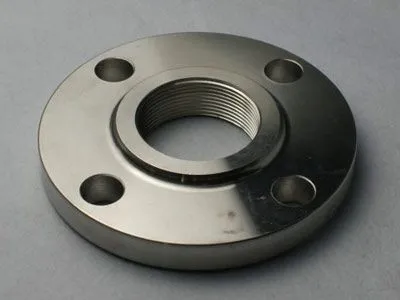
If you are in need of round steel pipes for high - temperature applications, we are here to help. Our company offers a wide range of round steel pipes, including Slip On Flange [/round-steel-pipes/slip-on-flange.html], ERW Pipes, and Large Size Spiral Welded Pipe. We have the expertise and experience to provide you with the right solution for your needs. Contact us today to discuss your requirements and start a procurement negotiation.
References
- ASME Boiler and Pressure Vessel Code
- API Standards for Piping Systems
- ASTM Standards for Steel Pipes