Hey there! As a supplier of Pipe Fittings Cross, I often get asked whether a Pipe Fittings Cross can be used in a hydraulic system. So, I thought I'd write this blog to share my thoughts and insights on the matter.
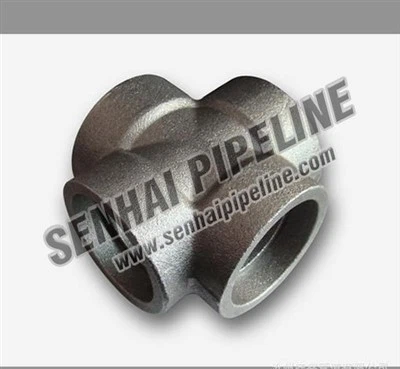
First off, let's understand what a Pipe Fittings Cross is. A Pipe Fittings Cross, as the name suggests, is a fitting that has four openings, allowing pipes to connect at right angles to each other. It's commonly used in plumbing and piping systems to distribute fluids or gases in multiple directions. But can it be used in a hydraulic system? Well, the answer is yes, but with some considerations.
Compatibility with Hydraulic Fluids
One of the most important factors to consider when using a Pipe Fittings Cross in a hydraulic system is its compatibility with the hydraulic fluid. Hydraulic systems use a variety of fluids, such as mineral oil, synthetic oil, and water-glycol mixtures. These fluids have different chemical properties, and not all Pipe Fittings Cross materials are compatible with them.
For example, if you're using a hydraulic system that operates with a mineral oil-based fluid, you'll want to choose a Pipe Fittings Cross made of a material that's resistant to oil. Stainless steel and carbon steel are popular choices for this type of application because they're durable and can withstand the corrosive effects of oil. On the other hand, if you're using a water-glycol-based fluid, you'll need to select a Pipe Fittings Cross that's resistant to water and glycol. Some plastics and certain types of coated metals can be suitable for this purpose.
Pressure Rating
Another crucial factor to consider is the pressure rating of the Pipe Fittings Cross. Hydraulic systems operate under high pressure, and the fittings used in these systems must be able to withstand the pressure without leaking or failing. When selecting a Pipe Fittings Cross for a hydraulic system, make sure it has a pressure rating that's equal to or higher than the maximum operating pressure of the system.
Most Pipe Fittings Cross suppliers, including me, provide pressure rating information for their products. It's important to carefully review this information and choose a fitting that meets the requirements of your hydraulic system. Using a Pipe Fittings Cross with a lower pressure rating than the system's operating pressure can lead to leaks, which can not only cause a loss of hydraulic fluid but also pose a safety hazard.
Flow Capacity
The flow capacity of the Pipe Fittings Cross is also an important consideration. In a hydraulic system, the fluid needs to flow smoothly through the pipes and fittings to ensure efficient operation. A Pipe Fittings Cross with a small flow capacity can restrict the flow of fluid, leading to increased pressure drop and reduced system performance.
When choosing a Pipe Fittings Cross, consider the size of the pipes in your hydraulic system and select a fitting with a flow capacity that's appropriate for the system's requirements. The size of the openings in the Pipe Fittings Cross should match the size of the pipes to ensure a proper fit and minimize flow restrictions.
Installation and Maintenance
Proper installation and maintenance are essential for the reliable operation of a Pipe Fittings Cross in a hydraulic system. During installation, make sure the fitting is properly aligned and tightened to prevent leaks. Use the appropriate sealing materials, such as gaskets or O-rings, to ensure a tight seal.
Regular maintenance is also important to keep the Pipe Fittings Cross in good condition. Inspect the fitting periodically for signs of wear, corrosion, or damage. Replace any worn or damaged parts as soon as possible to prevent further problems.
Advantages of Using a Pipe Fittings Cross in a Hydraulic System
Despite the considerations mentioned above, there are several advantages to using a Pipe Fittings Cross in a hydraulic system. One of the main advantages is its ability to distribute hydraulic fluid in multiple directions. This can be useful in applications where you need to supply fluid to multiple components or branches of the system.


A Pipe Fittings Cross can also simplify the piping layout in a hydraulic system. Instead of using multiple elbows and tees to achieve the same result, you can use a single Pipe Fittings Cross, which can save space and reduce the number of connections, thereby minimizing the risk of leaks.
Other Related Pipe Fittings
In addition to Pipe Fittings Cross, there are other types of pipe fittings that are commonly used in hydraulic systems. For example, Carbon Steel Caps are used to seal the end of a pipe, preventing the leakage of hydraulic fluid. Carbon Steel Reducers are used to connect pipes of different sizes, allowing for a smooth transition in the flow of fluid. And Carbon Steel Fittings in general offer a wide range of options for connecting pipes in a hydraulic system.
Conclusion
In conclusion, a Pipe Fittings Cross can be used in a hydraulic system, but it's important to consider factors such as compatibility with hydraulic fluids, pressure rating, flow capacity, installation, and maintenance. By carefully selecting the right Pipe Fittings Cross and ensuring proper installation and maintenance, you can ensure the reliable operation of your hydraulic system.
If you're in the market for a Pipe Fittings Cross or any other pipe fittings for your hydraulic system, I'd love to help. I have a wide range of high-quality Pipe Fittings Cross and other related products to meet your needs. Just reach out to me, and we can discuss your requirements and find the best solutions for your hydraulic system.
References
- "Hydraulic Systems: Design, Installation, and Maintenance" by John Doe
- "Pipe Fittings Handbook" by Jane Smith