When it comes to pipeline systems, the selection of appropriate components is crucial for ensuring safety, efficiency, and long - term performance. One common question that often arises in the industry is whether a blind flange can be used in a vertical pipeline. As a blind flange supplier, I am well - versed in the technical aspects and practical applications of these components, and I'm here to provide a comprehensive analysis of this topic.
Understanding Blind Flanges
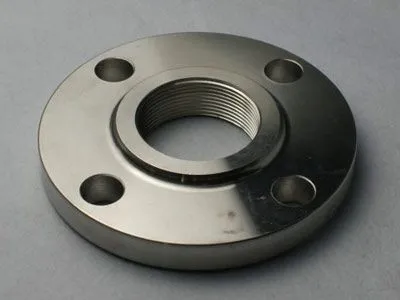
Before delving into the use of blind flanges in vertical pipelines, it's essential to understand what blind flanges are. A blind flange is a solid disk used to close the end of a pipe, valve, or vessel. It provides a simple and effective way to block the flow of fluids or gases within a pipeline system. Blind flanges are typically made from various materials such as carbon steel, stainless steel, and alloy steel, and they come in different sizes, pressure ratings, and facing types to meet diverse industrial requirements.
Advantages of Using Blind Flanges in Vertical Pipelines
There are several advantages to using blind flanges in vertical pipelines. Firstly, they offer a reliable seal. In a vertical pipeline, the pressure exerted by the fluid or gas column can be significant, especially at the bottom of the pipe. A well - installed blind flange can withstand this pressure and prevent any leakage, ensuring the integrity of the pipeline system.
Secondly, blind flanges are easy to install and remove. This is particularly beneficial in vertical pipelines where maintenance or inspection may be required. For example, if there is a need to access the interior of the pipeline for cleaning or repair, the blind flange can be quickly removed and then reinstalled once the work is completed.
Another advantage is their versatility. Blind flanges can be used in a wide range of applications, from low - pressure water pipelines to high - pressure gas pipelines. They can also be used in different industries, such as oil and gas, chemical, and power generation.
Considerations When Using Blind Flanges in Vertical Pipelines
However, there are also some considerations that need to be taken into account when using blind flanges in vertical pipelines. One of the main concerns is the weight of the blind flange itself. In a vertical pipeline, the blind flange is subject to gravitational forces, which can affect its stability and the integrity of the connection. If the blind flange is too heavy, it may cause stress on the pipe and the flange connection, leading to potential leaks or even pipe failure. Therefore, it's important to select a blind flange with an appropriate weight and thickness based on the size and pressure rating of the pipeline.
Another consideration is the installation orientation. In a vertical pipeline, the blind flange should be installed correctly to ensure proper sealing. The gasket between the blind flange and the pipe flange must be evenly compressed to prevent any gaps that could lead to leakage. Additionally, the bolts used to secure the blind flange should be tightened evenly to avoid uneven stress distribution.
Corrosion is also a significant issue in vertical pipelines. Since the fluid or gas in the pipeline may contain corrosive substances, the blind flange and its connection need to be protected against corrosion. This can be achieved by using corrosion - resistant materials or applying protective coatings to the flange surface.
Comparison with Other Flange Types
It's also useful to compare blind flanges with other types of flanges when considering their use in vertical pipelines. For example, Lap Joint Flange is another popular type of flange. Lap joint flanges are easy to align and can be rotated, which can be an advantage in some applications. However, they may not provide as strong a seal as blind flanges, especially in high - pressure vertical pipelines.


Orifice Flange Facing is designed specifically for use with orifice plates to measure the flow rate of fluids or gases in a pipeline. While they have their own unique functions, they are not typically used for closing the end of a pipeline like blind flanges.
Welding Neck Flange is known for its high strength and good resistance to stress and fatigue. They are often used in high - pressure and high - temperature applications. However, welding neck flanges require more complex installation procedures compared to blind flanges, which may not be as practical in some vertical pipeline applications where quick installation and removal are required.
Real - World Applications
In real - world applications, blind flanges are widely used in vertical pipelines in various industries. In the oil and gas industry, for example, blind flanges are used to close the ends of pipelines during maintenance or when a section of the pipeline is not in use. In chemical plants, they are used to isolate different parts of the pipeline system to prevent the spread of hazardous chemicals.
In power generation plants, blind flanges are used in vertical pipelines that carry steam or water. They help to maintain the pressure and flow of the fluid within the pipeline and ensure the safe operation of the power generation equipment.
Conclusion
In conclusion, a blind flange can be used in a vertical pipeline, but it requires careful consideration of various factors such as weight, installation orientation, corrosion protection, and comparison with other flange types. When properly selected and installed, blind flanges can provide a reliable and cost - effective solution for closing the end of a vertical pipeline.
As a blind flange supplier, I have the expertise and experience to help you select the right blind flange for your vertical pipeline application. Whether you need a small - sized blind flange for a low - pressure water pipeline or a large - sized, high - pressure blind flange for an oil and gas pipeline, I can provide you with high - quality products that meet your specific requirements.
If you are interested in purchasing blind flanges for your vertical pipeline project, I encourage you to contact me for further discussion. We can work together to ensure that you get the best flange solution for your needs.
References
- "Pipeline Design and Construction: A Practical Approach" by John P. Moore
- "Flange Design Handbook" by Richard A. Young
- Industry standards such as ASME B16.5 and API 6A