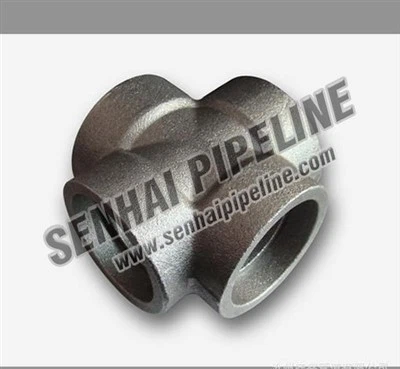
When it comes to the industrial use of pipe systems, pipe fittings cross play a crucial role in connecting multiple pipes at right angles, allowing for the efficient flow of fluids or gases in various directions. As a trusted supplier of pipe fittings cross, I understand the importance of safety when using these essential components. In this blog post, I will discuss the safety precautions that should be taken when using a pipe fittings cross to ensure smooth operations and prevent potential hazards.
1. Pre - installation Safety Checks
Before installing a pipe fittings cross, it is essential to conduct a series of thorough safety checks. First and foremost, inspect the pipe fittings cross itself for any visible damage, such as cracks, dents, or corrosion. Even minor damage can compromise the integrity of the fitting and lead to leaks or failures during operation. For example, a small crack in the cross can gradually expand under pressure, resulting in a significant loss of fluid or gas.
Check the dimensions of the pipe fittings cross to ensure they match the pipes it will be connected to. Incorrect sizing can cause improper sealing, leading to leaks and potential safety risks. Make sure the inner and outer diameters, as well as the wall thickness, are compatible with the connected pipes.
Verify the material of the pipe fittings cross. Different applications require different materials. For instance, in high - temperature or corrosive environments, using a carbon steel pipe fittings cross may not be suitable. In such cases, materials like stainless steel or alloy steel should be considered. You can find a variety of carbon steel fittings, including Carbon Steel Reducers and Hot Induction Bends on our website, which are made of high - quality carbon steel and are suitable for specific applications.
2. Installation Safety
Proper installation is key to the safe use of a pipe fittings cross. When installing, ensure that the pipes and the fitting are clean. Any dirt, debris, or foreign matter can prevent a proper seal and cause leaks. Use appropriate cleaning tools to remove any contaminants from the pipe ends and the inside of the fitting.
Use the correct installation tools. For example, when welding the pipe fittings cross to the pipes, use welding equipment that is suitable for the material of the fitting and the pipes. Improper welding can result in weak joints that are prone to failure. Follow the welding procedures and standards strictly to ensure the quality of the welds.
During installation, make sure that the pipe fittings cross is properly aligned with the pipes. Misalignment can cause stress concentration on the fitting, increasing the risk of damage. Use alignment tools if necessary to ensure accurate alignment.
3. Pressure and Temperature Considerations
Understand the pressure and temperature ratings of the pipe fittings cross. Every fitting has a specific pressure and temperature limit within which it can operate safely. Exceeding these limits can lead to catastrophic failures. For example, if a pipe fittings cross is rated for a maximum pressure of 100 psi and is subjected to a pressure of 150 psi, it may burst, causing serious injury and property damage.
Monitor the pressure and temperature of the fluid or gas flowing through the pipe system regularly. Install pressure and temperature gauges at appropriate locations to keep track of these parameters. If the pressure or temperature approaches or exceeds the rated values, take immediate action, such as adjusting the flow rate or shutting down the system.


4. Maintenance and Inspection
Regular maintenance and inspection are essential for the long - term safe use of a pipe fittings cross. Establish a maintenance schedule and conduct routine inspections. Check for signs of wear, corrosion, or damage on the fitting and the connected pipes. Look for leaks, discoloration, or any abnormal changes in the appearance of the fitting.
Clean the pipe fittings cross periodically to remove any deposits or contaminants that may accumulate over time. These deposits can affect the flow of the fluid or gas and may also cause corrosion.
If any damage or potential problems are detected during the inspection, take prompt action to repair or replace the fitting. Do not ignore minor issues, as they can develop into major problems over time.
5. Handling and Storage
When handling a pipe fittings cross, use proper lifting and handling equipment. Pipe fittings cross can be heavy, and improper handling can lead to injuries. Use cranes, forklifts, or other appropriate equipment to lift and move the fittings.
During storage, keep the pipe fittings cross in a dry and clean environment. Protect them from moisture, which can cause corrosion. Store the fittings in a way that prevents them from being damaged, such as stacking them properly and using protective covers.
6. Training and Education
Ensure that all personnel involved in the installation, operation, maintenance, and handling of the pipe fittings cross are properly trained. Provide training on safety procedures, installation techniques, and maintenance requirements. Well - trained personnel are more likely to follow the safety guidelines and can identify and address potential safety issues in a timely manner.
Conclusion
Using a pipe fittings cross safely requires a comprehensive approach that includes pre - installation checks, proper installation, consideration of pressure and temperature, regular maintenance and inspection, correct handling and storage, and adequate training and education. By following these safety precautions, you can ensure the reliable and safe operation of your pipe systems.
As a leading supplier of Carbon Steel Fittings, including high - quality pipe fittings cross, we are committed to providing our customers with products that meet the highest safety standards. If you are in need of pipe fittings cross or have any questions about their safe use, please feel free to contact us for further information and to discuss your procurement needs.
References
- "Pipe Fittings Handbook" - A comprehensive guide on pipe fittings, including installation, maintenance, and safety considerations.
- Industry standards and regulations related to pipe systems and fittings, such as ASME B31.3 for process piping.