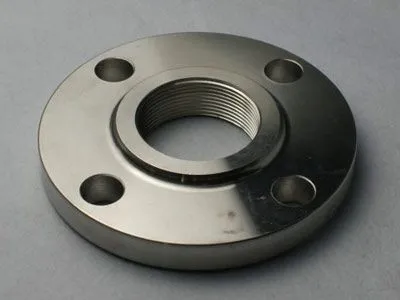
Forged fittings play a crucial role in various industrial applications, and one of the most demanding sectors is the oil and gas industry. As a supplier of forged fittings, I have witnessed firsthand the significance of these components in ensuring the safety, efficiency, and reliability of oil and gas operations. In this blog, we will explore whether forged fittings are suitable for the oil and gas industry, considering their characteristics, advantages, and potential limitations.
Characteristics of Forged Fittings
Forged fittings are manufactured through a process of shaping metal under high pressure and temperature. This process results in a dense and homogeneous structure, which gives forged fittings several distinct characteristics:
- High Strength: Forged fittings have excellent mechanical properties, including high tensile strength, yield strength, and impact resistance. This makes them capable of withstanding high pressures and stresses, which are common in the oil and gas industry.
- Good Ductility: Ductility is the ability of a material to deform under stress without breaking. Forged fittings have good ductility, which allows them to absorb energy and resist cracking under dynamic loading conditions.
- Superior Weldability: Weldability is an important factor in the installation and maintenance of pipeline systems. Forged fittings have good weldability, which means they can be easily welded to other components without compromising their integrity.
- Corrosion Resistance: The oil and gas industry often deals with corrosive environments, such as saltwater, acidic gases, and high-temperature fluids. Forged fittings can be made from a variety of corrosion-resistant materials, such as stainless steel, alloy steel, and nickel-based alloys, to ensure long-term performance in these harsh conditions.
Advantages of Forged Fittings in the Oil and Gas Industry
The unique characteristics of forged fittings make them well-suited for the oil and gas industry. Here are some of the key advantages:
- Safety: Safety is of utmost importance in the oil and gas industry. Forged fittings provide a reliable and secure connection in pipeline systems, reducing the risk of leaks and failures that could lead to environmental disasters, injuries, or even fatalities.
- Reliability: The oil and gas industry operates in remote and harsh environments, where downtime can be extremely costly. Forged fittings are known for their durability and long service life, ensuring continuous operation and minimizing maintenance requirements.
- Efficiency: Forged fittings are designed to provide a precise and tight fit, which helps to optimize the flow of fluids in pipeline systems. This can improve the efficiency of oil and gas production, transportation, and processing operations.
- Versatility: Forged fittings come in a wide range of shapes, sizes, and materials, making them suitable for various applications in the oil and gas industry. Whether it's a small-scale offshore platform or a large-scale onshore refinery, there is a forged fitting solution available.
Common Types of Forged Fittings in the Oil and Gas Industry
There are several types of forged fittings commonly used in the oil and gas industry, each with its own specific function and application. Some of the most popular types include:
- Elbows: Elbows are used to change the direction of a pipeline. They are available in different angles, such as 45 degrees and 90 degrees, and can be threaded or welded. For example, our Carbon Steel Threaded Elbow is a reliable choice for applications where a threaded connection is required.
- Tees: Tees are used to connect three pipes together. They can be equal or reducing, depending on the size of the pipes. Our Socket Welded Equal Tee is a popular option for applications where a socket-welded connection is preferred.
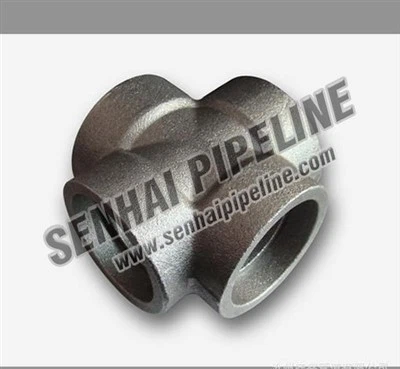
- Crosses: Crosses are used to connect four pipes together. They are typically used in applications where a high flow rate is required. Our Carbon Steel Forged Cross is a strong and durable choice for such applications.
- Couplings: Couplings are used to connect two pipes together. They can be threaded or welded, and are available in different sizes and materials.
- Unions: Unions are used to connect two pipes together in a way that allows for easy disassembly and reassembly. They are commonly used in applications where maintenance or repairs are required.
Potential Limitations of Forged Fittings in the Oil and Gas Industry
While forged fittings offer many advantages in the oil and gas industry, there are also some potential limitations that need to be considered:
- Cost: Forged fittings are generally more expensive than other types of fittings, such as cast or fabricated fittings. This is due to the higher cost of raw materials and the more complex manufacturing process.
- Lead Time: The manufacturing process for forged fittings can be time-consuming, especially for custom-made or large-sized fittings. This can result in longer lead times, which may not be suitable for urgent projects.
- Availability: Some types of forged fittings may not be readily available in the market, especially for specialized or non-standard applications. This can make it difficult to source the required fittings in a timely manner.
Conclusion
In conclusion, forged fittings are highly suitable for the oil and gas industry due to their high strength, good ductility, superior weldability, and corrosion resistance. They offer many advantages, including safety, reliability, efficiency, and versatility, which make them an essential component in pipeline systems. However, it's important to consider the potential limitations, such as cost, lead time, and availability, when selecting forged fittings for a specific application.
As a supplier of forged fittings, we understand the unique requirements of the oil and gas industry and are committed to providing high-quality products and excellent customer service. If you are in the market for forged fittings for your oil and gas project, we would be happy to discuss your needs and provide you with a competitive quote. Please feel free to contact us to start the procurement discussion.


References
- ASME B16.11 - Forged Fittings, Socket-Welded and Threaded
- API 6A - Specification for Wellhead and Christmas Tree Equipment
- ASTM A105 - Standard Specification for Carbon Steel Forgings for Piping Applications
- ASTM A350 - Standard Specification for Carbon and Low-Alloy Steel Forgings, Requiring Notch Toughness Testing